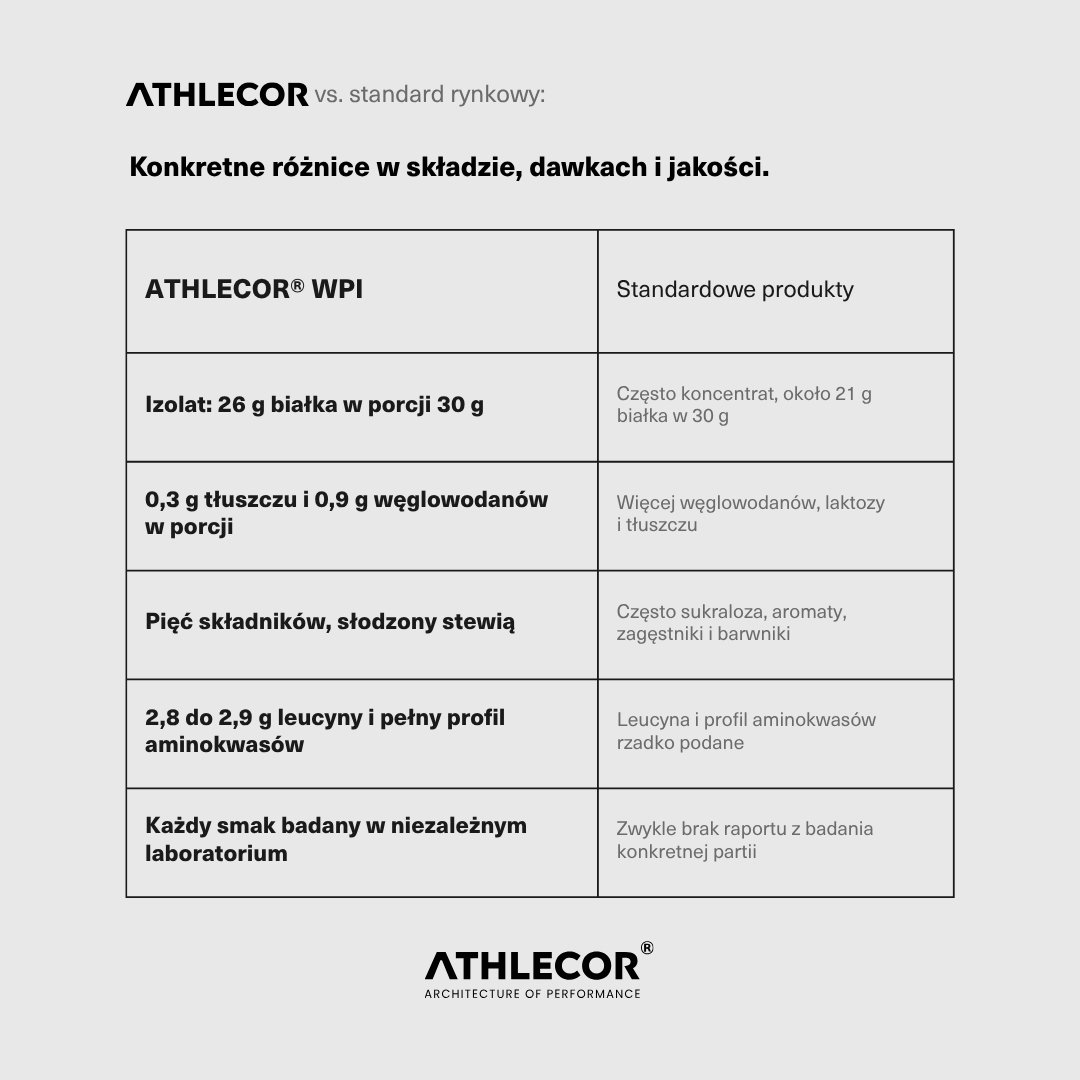
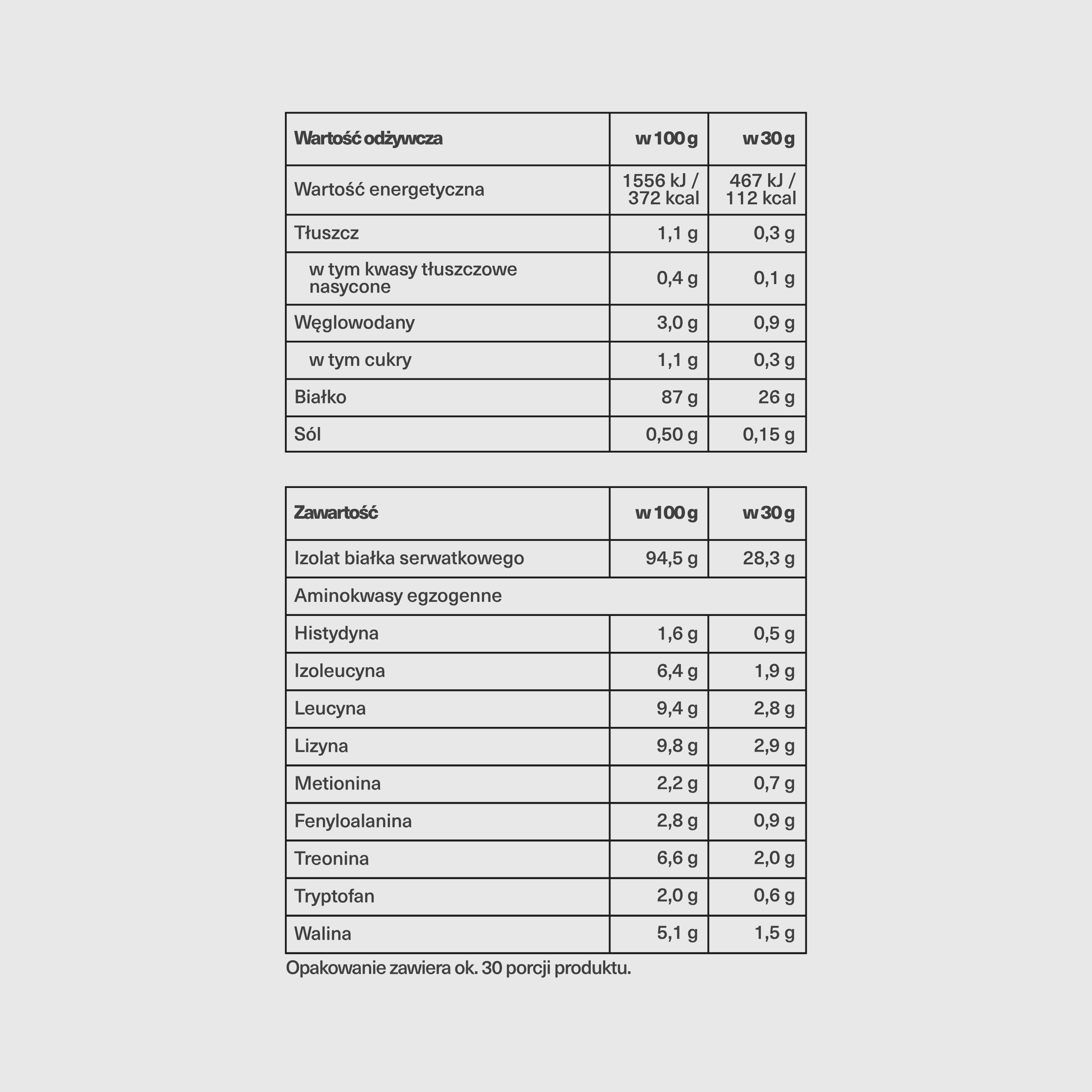
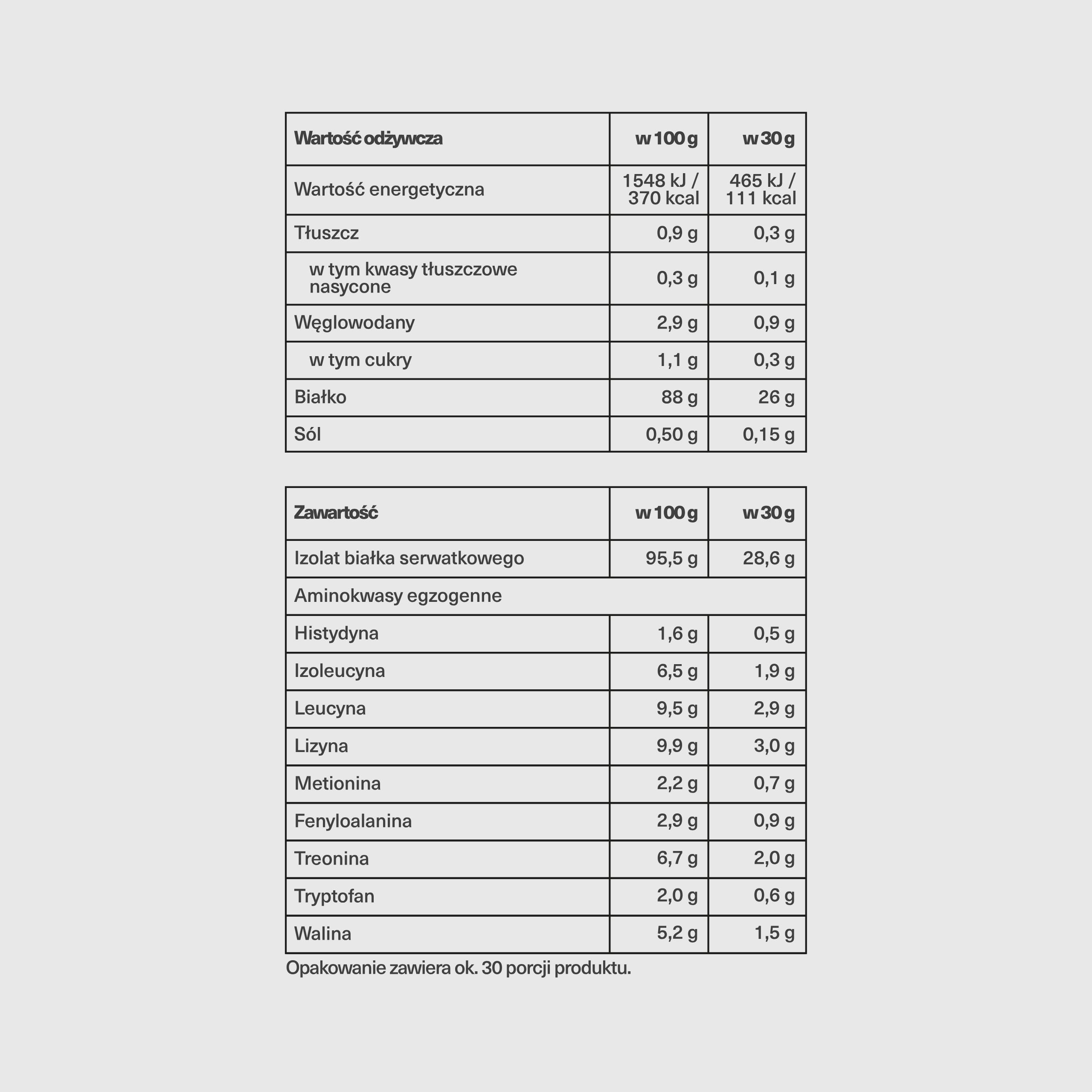
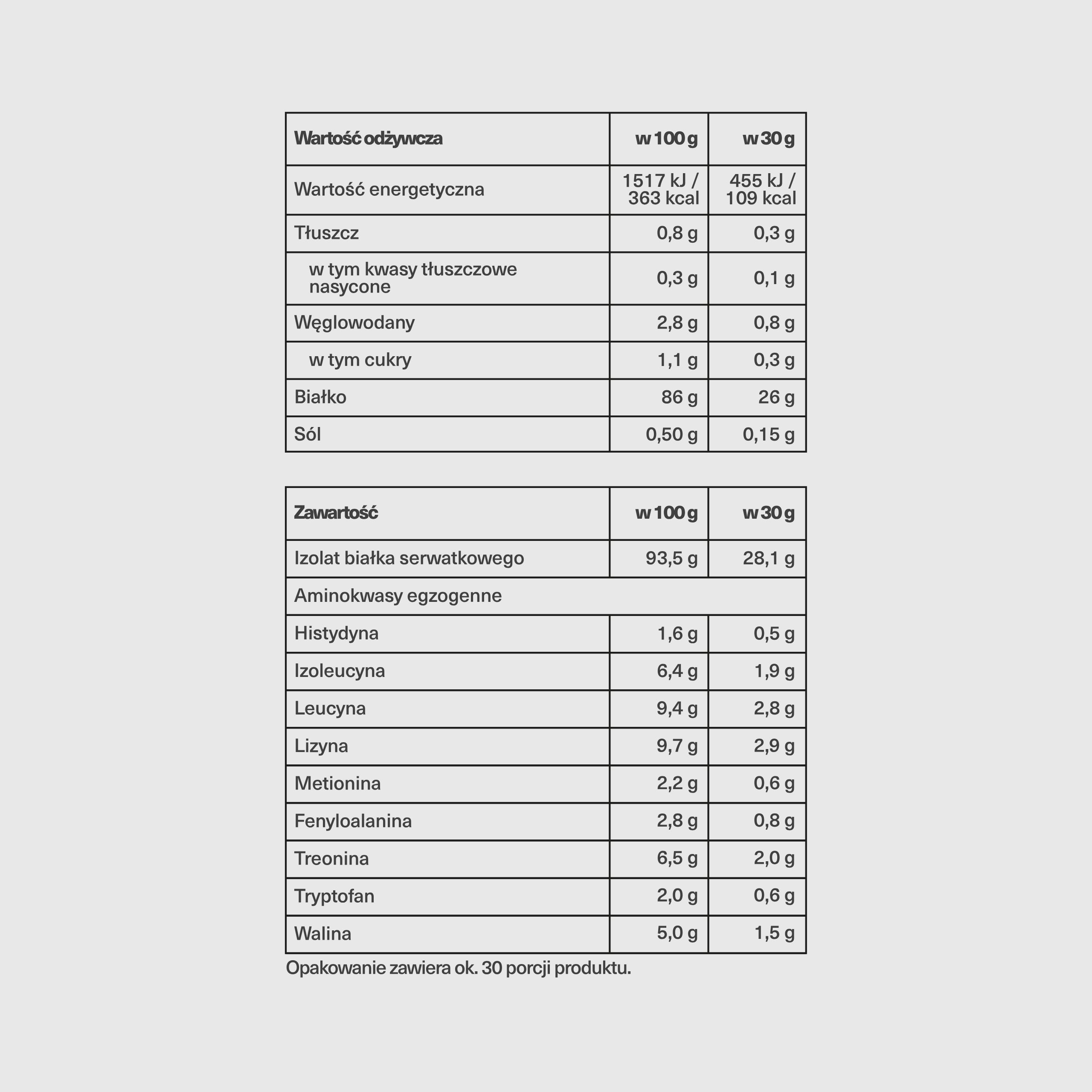

1Porcja 26 g białka i 2,8-2,9 g leucyny trafia dokładnie w próg skutecznej syntezy mięśniowej.
Jäger 2017, Journal of the International Society of Sports Nutrition. International Society of Sports Nutrition Position Stand: protein and exercise.
Stanowisko ISSN wyznacza dawki, które realnie pracują: 20-40 g pełnowartościowego białka na porcję, z progiem 2-3 g leucyny uruchamiającym syntezę białek mięśniowych, oraz 1,4-2,0 g/kg masy ciała dziennie na budowę masy. Najlepiej działają białka szybko trawione i bogate w leucynę, czyli właśnie izolat serwatki. Porcja WPI to 26 g białka i 2,8-2,9 g leucyny, w środku tego zakresu.
Key conclusions
- An acute exercise stimulus, especially resistance training, and protein intake stimulate muscle protein synthesis, and their action is synergistic when protein is consumed before or after resistance training. The authors note at the same time that the anabolic effect of exercise lasts at least 24 hours after training, though it weakens over time.
- The position statement indicated that for building muscle mass and maintaining it in most physically active people, a total daily protein intake at the level of 1.4 to 2.0 g/kg of body weights sufficient, while in periods of energy deficit in people training for strength, 2.3 to 3.1 g/kg of body weight dailymay be needed in order to maximise maintenance of lean body mass. The authors also mention data suggesting that intake above 3.0 g/kg of body weight daily may favour improvement in body composition in people training for strength.
- The authors report that the general recommendation for a single serving for maximising muscle protein synthesis is around 0,25 g/kg masy ciała or 0.25 g/kg of body weight or 20 to 40 g,depending on, among others, age and the nature of the exertion. Such a serving should deliver around 700 to 3000 mg of leucine and be spread evenly every 3 to 4 hours throughout the day.
- The position statement emphasised that quickly digested proteins containing a high proportion of exogenous amino acids and an adequate amount of leucine most effectively stimulate muscle protein synthesis. The authors also note that the type and quality of protein influence bioavailability after intake.
- The authors describe that whey protein shows an advantage over some other protein sources in the acute stimulation of muscle protein synthesis. In the cited data, whey protein stimulated muscle protein synthesis more strongly than soy protein and casein, and 25 g of whey given in a single dose intensified muscle protein synthesis and anabolic signalling more than the same total amount of protein given in 10 servings of 2.5 g..
- The position statement also cited the results of pooled analyses, according to which protein supplementation combined with resistance training was linked with an increase in lower-limb strength of 13,5 kg (95% confidence interval: 6.4 to 20.7 kg) and a mean increase in lean body mass of 0,69 kg (95% confidence interval: 0.47 to 0.91 kg) compared with placebo.
- The authors also report that whey proteins, including hydrolysates and isolates, are among the best-researched protein sources for use before and after resistance training, among others on account of their higher content of exogenous amino acids and leucine, good solubility and favourable digestion kinetics. The position statement also noted that a larger proportion of exogenous amino acids from whey proteins reaches the peripheral tissues than in the case of some other sources, such as soy.
Source: Jäger, Ralf et al. “International Society of Sports Nutrition Position Stand: protein and exercise.” Journal of the International Society of Sports Nutrition vol. 14 20. 20 Jun. 2017, doi:10.1186/s12970-017-0177-8