HOMEPAGE / WHAT TO USE?

PROTOCOLS

Supplementation in sport is no place for guesswork and random choices. We have developed precise protocols for specific disciplines, based purely on hard data. Choose your sport and get a ready-made system that eliminates the chaos and maximises your results.

sports dietetitian

All year round

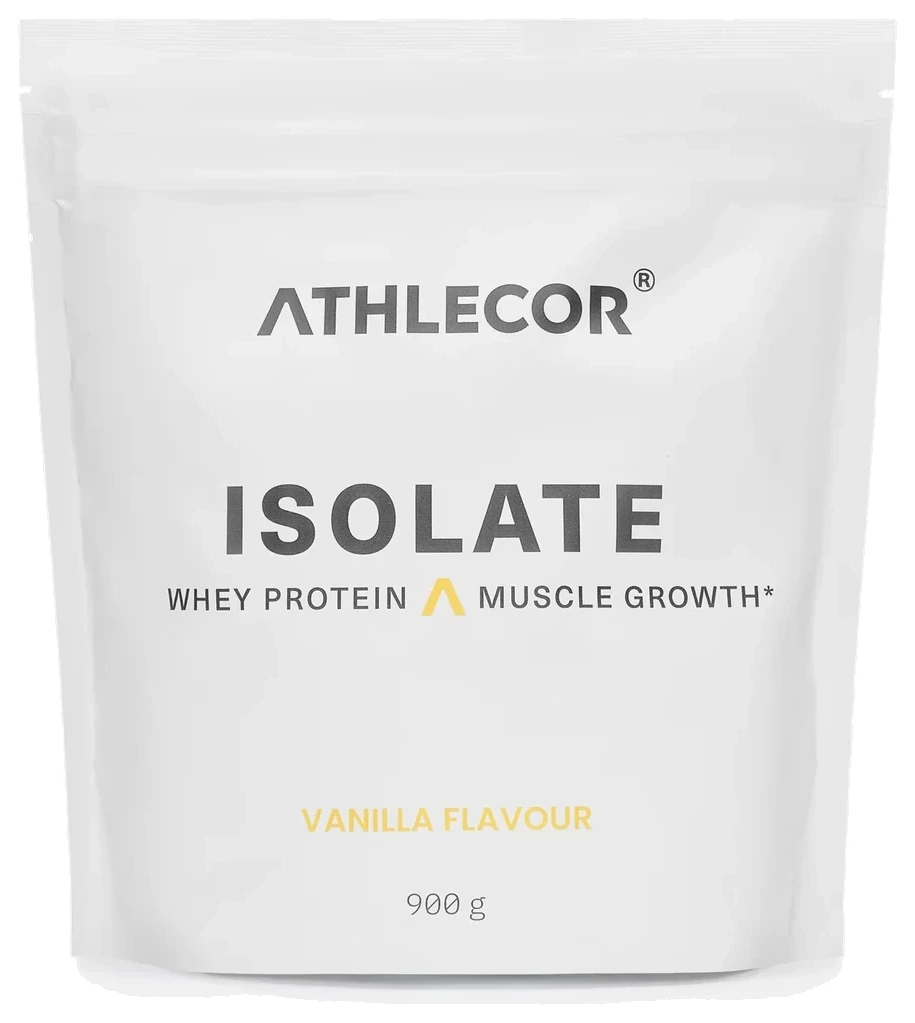
Protein

Around 30 g per serving. When: best in the evening, around 2 h before sleep if there is a long gap between meals and training, or as a top-up through the day. Frequency: depends on total protein intake in the diet and the goal you have set.

LINK TO PRODUCT

Protein

Around 30 g per serving. When: best in the evening, around 2 h before sleep if there is a long gap between meals and training, or as a top-up through the day. Frequency: depends on total protein intake in the diet and the goal you have set.

LINK TO PRODUCT

Protein

Around 30 g per serving. When: best in the evening, around 2 h before sleep if there is a long gap between meals and training, or as a top-up through the day. Frequency: depends on total protein intake in the diet and the goal you have set.

LINK TO PRODUCT

Protein

Around 30 g per serving. When: best in the evening, around 2 h before sleep if there is a long gap between meals and training, or as a top-up through the day. Frequency: depends on total protein intake in the diet and the goal you have set.

LINK TO PRODUCT

Protein

Around 30 g per serving. When: best in the evening, around 2 h before sleep if there is a long gap between meals and training, or as a top-up through the day. Frequency: depends on total protein intake in the diet and the goal you have set.

LINK TO PRODUCT

Protein

Around 30 g per serving. When: best in the evening, around 2 h before sleep if there is a long gap between meals and training, or as a top-up through the day. Frequency: depends on total protein intake in the diet and the goal you have set.

LINK TO PRODUCT

Protein

Around 30 g per serving. When: best in the evening, around 2 h before sleep if there is a long gap between meals and training, or as a top-up through the day. Frequency: depends on total protein intake in the diet and the goal you have set.

LINK TO PRODUCT

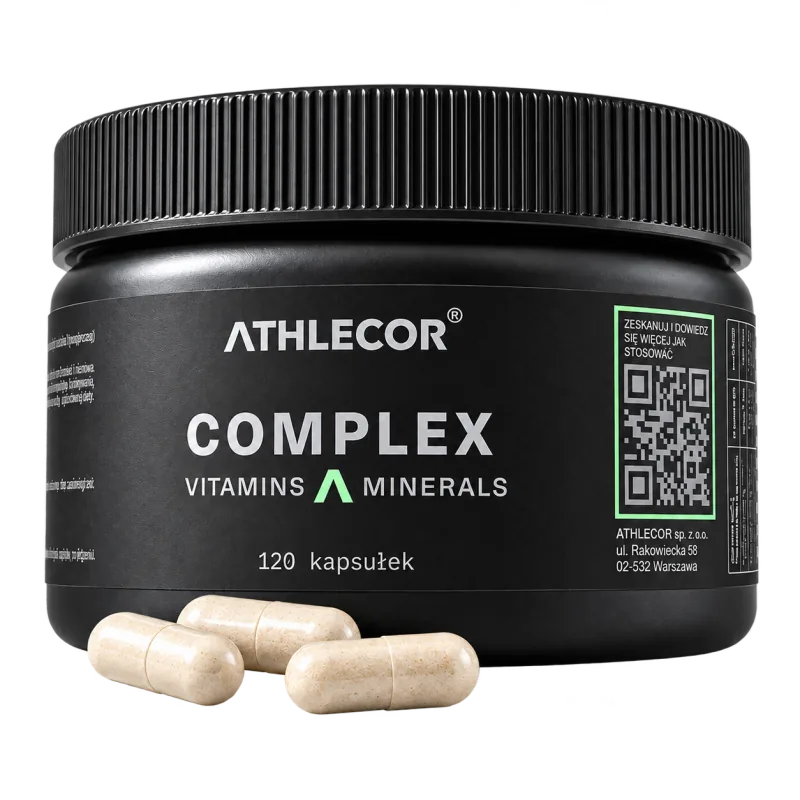
Vitamin and mineral complex

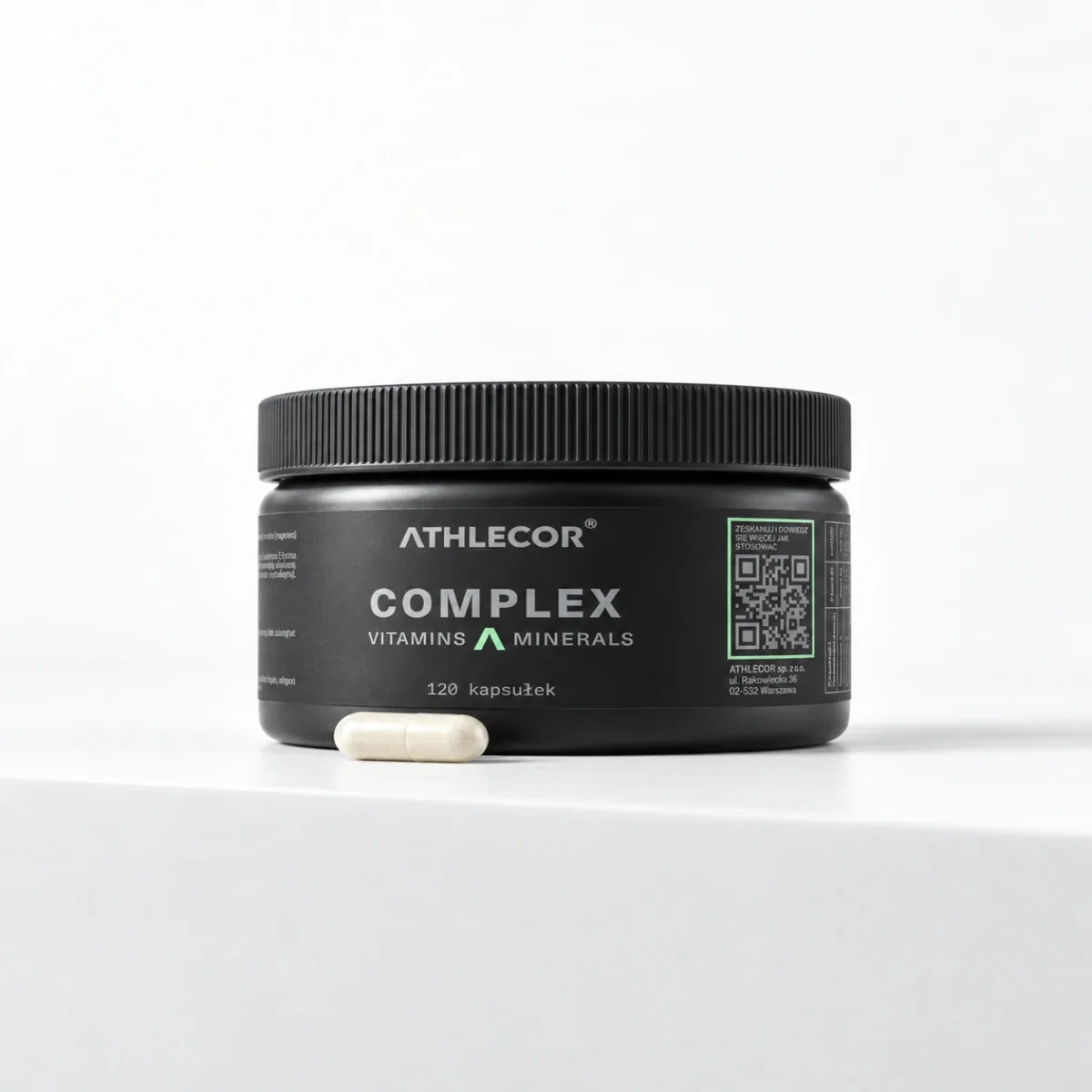
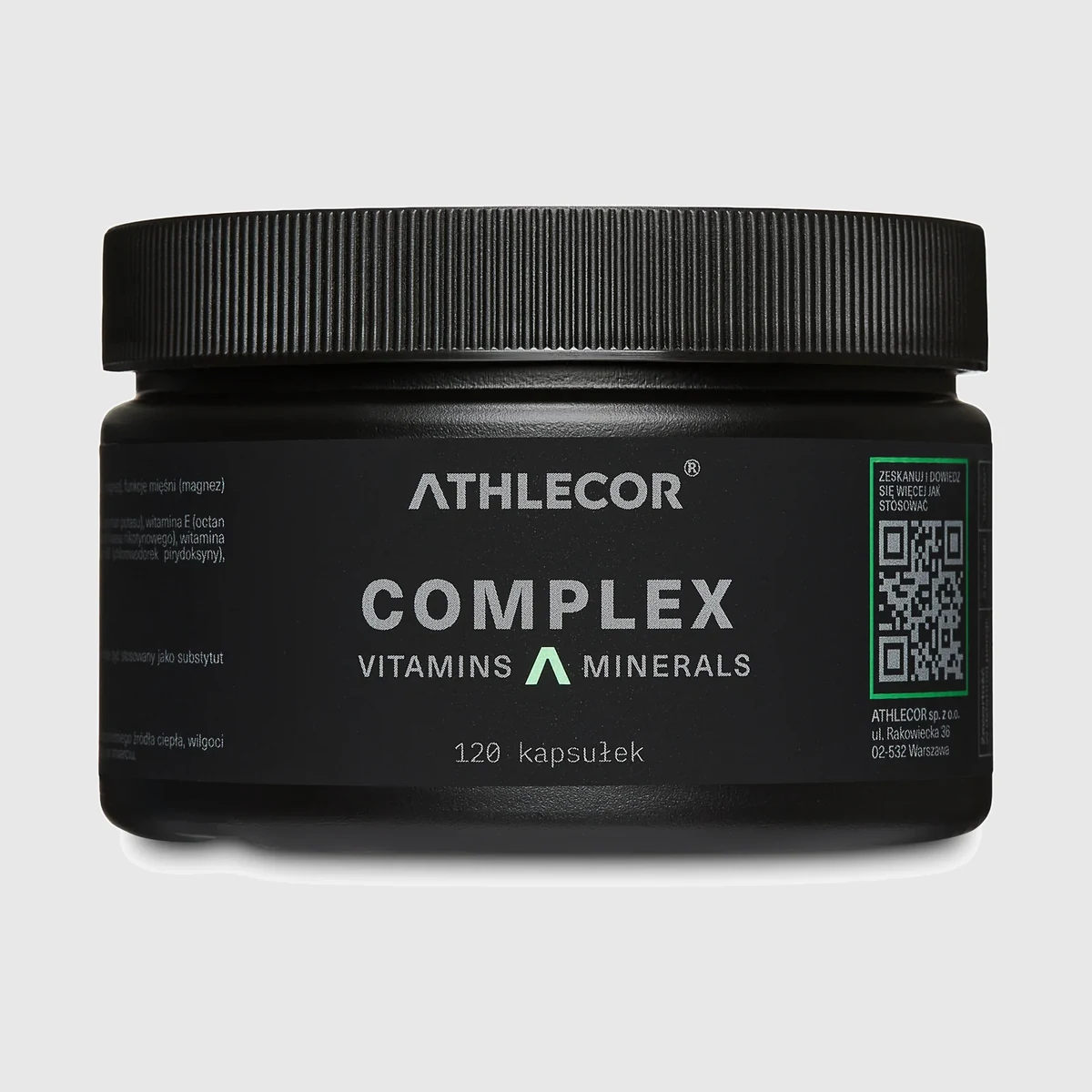
Used especially during periods of: increased training and recovery load, limited access to a complete diet (e.g. travel, low calories, a monotonous diet, a cut), in athletes with selective appetite, food intolerances or limited intake of vegetables and fruit, in an intensive start period when meal rhythm is disrupted, and in active people aged 50+ as support for covering micronutrient needs. All year: a complete, balanced diet should be the primary source of minerals and vitamins, while a vitamin and mineral complex can be support only.

LINK TO PRODUCT

Vitamin and mineral complex

Used especially during periods of: increased training and recovery load, limited access to a complete diet (e.g. travel, low calories, a monotonous diet, a cut), in athletes with selective appetite, food intolerances or limited intake of vegetables and fruit, in an intensive start period when meal rhythm is disrupted, and in active people aged 50+ as support for covering micronutrient needs. All year: a complete, balanced diet should be the primary source of minerals and vitamins, while a vitamin and mineral complex can be support only.

LINK TO PRODUCT

Vitamin and mineral complex

Used especially during periods of: increased training and recovery load, limited access to a complete diet (e.g. travel, low calories, a monotonous diet, a cut), in athletes with selective appetite, food intolerances or limited intake of vegetables and fruit, in an intensive start period when meal rhythm is disrupted, and in active people aged 50+ as support for covering micronutrient needs. All year: a complete, balanced diet should be the primary source of minerals and vitamins, while a vitamin and mineral complex can be support only.

LINK TO PRODUCT

Vitamin and mineral complex

Used especially during periods of: increased training and recovery load, limited access to a complete diet (e.g. travel, low calories, a monotonous diet, a cut), in athletes with selective appetite, food intolerances or limited intake of vegetables and fruit, in an intensive start period when meal rhythm is disrupted, and in active people aged 50+ as support for covering micronutrient needs. All year: a complete, balanced diet should be the primary source of minerals and vitamins, while a vitamin and mineral complex can be support only.

LINK TO PRODUCT

Vitamin and mineral complex

Used especially during periods of: increased training and recovery load, limited access to a complete diet (e.g. travel, low calories, a monotonous diet, a cut), in athletes with selective appetite, food intolerances or limited intake of vegetables and fruit, in an intensive start period when meal rhythm is disrupted, and in active people aged 50+ as support for covering micronutrient needs. All year: a complete, balanced diet should be the primary source of minerals and vitamins, while a vitamin and mineral complex can be support only.

LINK TO PRODUCT

Vitamin and mineral complex

Used especially during periods of: increased training and recovery load, limited access to a complete diet (e.g. travel, low calories, a monotonous diet, a cut), in athletes with selective appetite, food intolerances or limited intake of vegetables and fruit, in an intensive start period when meal rhythm is disrupted, and in active people aged 50+ as support for covering micronutrient needs. All year: a complete, balanced diet should be the primary source of minerals and vitamins, while a vitamin and mineral complex can be support only.

LINK TO PRODUCT

Vitamin and mineral complex

Used especially during periods of: increased training and recovery load, limited access to a complete diet (e.g. travel, low calories, a monotonous diet, a cut), in athletes with selective appetite, food intolerances or limited intake of vegetables and fruit, in an intensive start period when meal rhythm is disrupted, and in active people aged 50+ as support for covering micronutrient needs. All year: a complete, balanced diet should be the primary source of minerals and vitamins, while a vitamin and mineral complex can be support only.

LINK TO PRODUCT

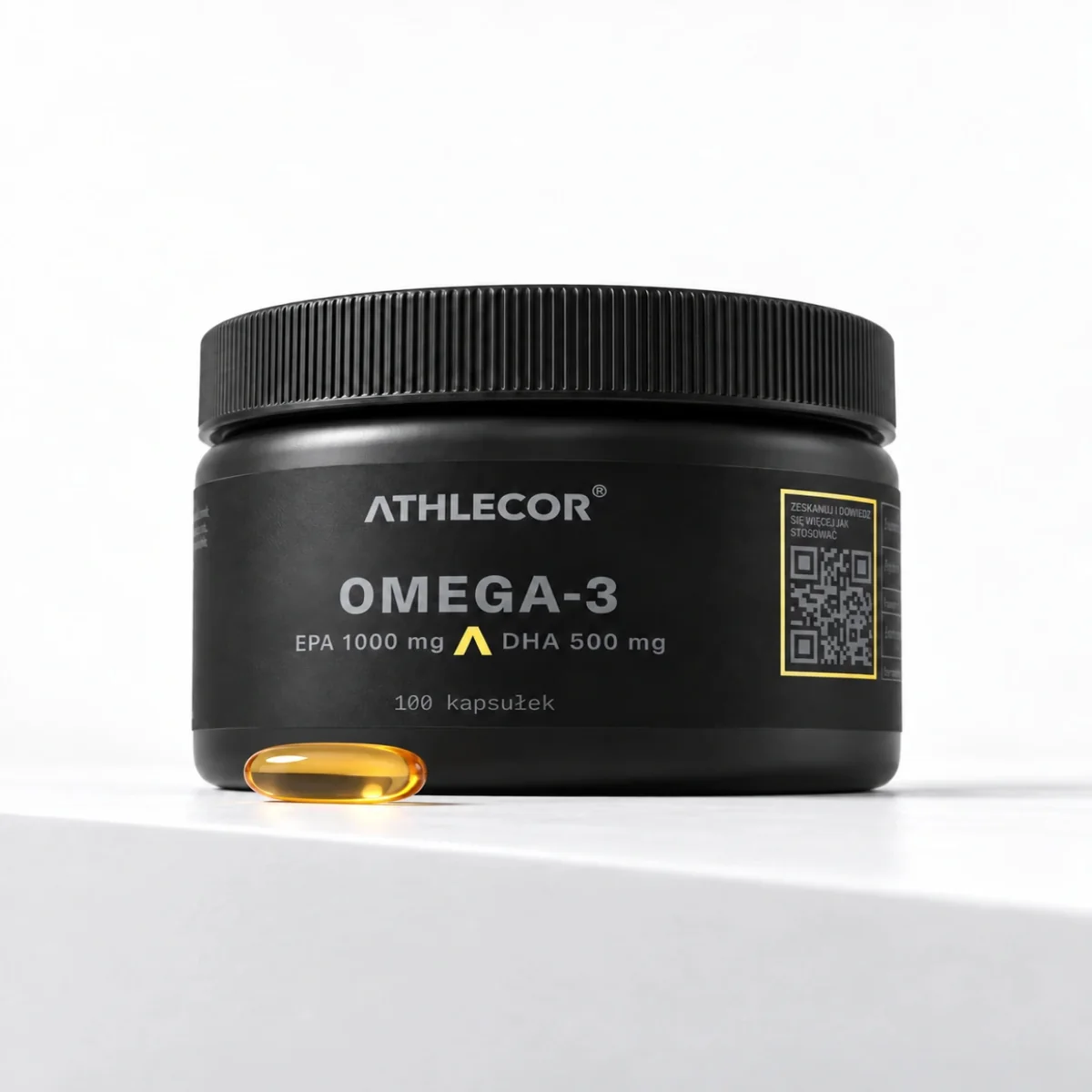
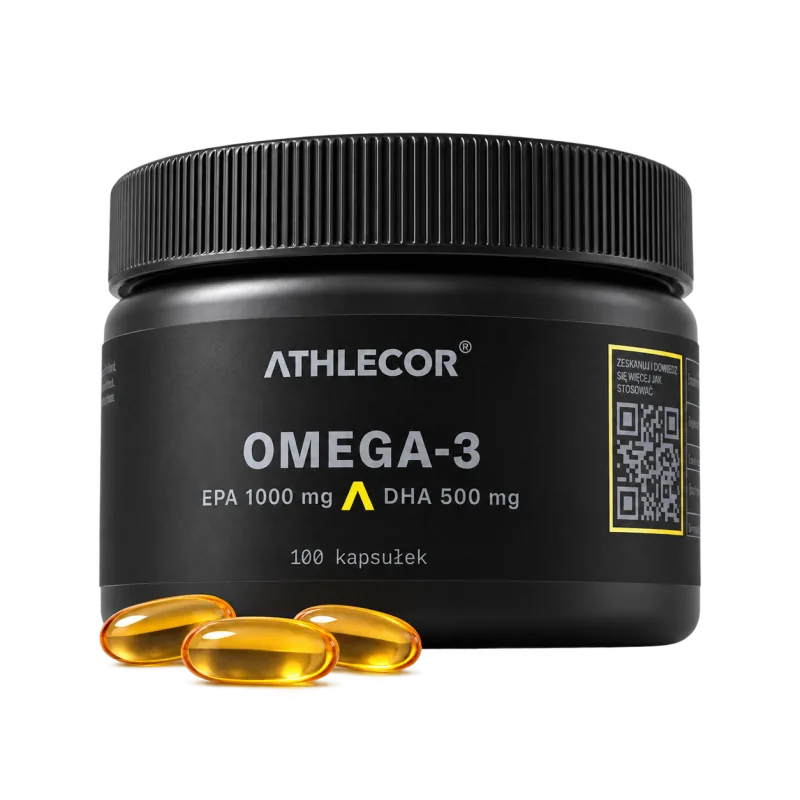
Omega-3 fatty acids

Omega-3 daily, all year round. 500-600 mg EPA + DHA daily if the diet contains oily fish, or out of training season. No fish or low intake (omega-3 index 8%): 500-600 mg every 2nd day, or daily with lower intake. Increased exercise or injury: 1000-2000 mg/day for a short time. Dosage in the match period: in periods of frequent matches and tactical training that involve heading, it is worth raising the Omega-3 dose to 1000-2000 mg (EPA+DHA), taking care to keep DHA content high.

LINK TO PRODUCT

Omega-3 fatty acids

Omega-3 daily, all year round. 500-600 mg EPA + DHA daily if the diet contains oily fish, or out of training season. No fish / low intake (omega-3 index 8%): 500-600 mg every 2nd day, or daily with lower intake. Increased exercise or injury: 1000-2000 mg/day for a short time.

LINK TO PRODUCT

Omega-3 fatty acids

Omega-3 daily, all year round. 500-600 mg EPA + DHA daily if the diet contains oily fish, or out of training season. No fish / low intake (omega-3 index 8%): 500-600 mg every 2nd day, or daily with lower intake. Increased exercise or injury: 1000-2000 mg/day for a short time.

LINK TO PRODUCT

Omega-3 fatty acids

Omega-3 daily, all year round. 500-600 mg EPA + DHA daily if the diet contains oily fish, or out of training season. No fish / low intake (omega-3 index 8%): 500-600 mg every 2nd day, or daily with lower intake. Increased exercise or injury: 1000-2000 mg/day for a short time.

LINK TO PRODUCT

Omega-3 fatty acids

Omega-3 daily, all year round. 500-600 mg EPA + DHA daily if the diet contains oily fish, or out of training season. No fish / low intake (omega-3 index 8%): 500-600 mg every 2nd day, or daily with lower intake. Increased exercise or injury: 1000-2000 mg/day for a short time.

LINK TO PRODUCT

Omega-3 fatty acids

Omega-3 daily, all year round: 500-600 mg EPA + DHA daily if the diet contains oily fish, or out of training season. In the case of no fish or low intake (omega-3 index 8%): 500-600 mg every 2nd day, or daily with lower intake. In periods of increased exercise or injury, take 1000-2000 mg/day for a short time. Neuroprotection (sparring / fighting): increase DHA alone to 1000-1200 mg (around 2000-3000 mg EPA+DHA in total) in periods of exposure to head impacts.

LINK TO PRODUCT

Omega-3 fatty acids

Omega-3 daily, all year round. 500-600 mg EPA + DHA daily if the diet contains oily fish, or out of training season. No fish / low intake (omega-3 index 8%): 500-600 mg every 2nd day, or daily with lower intake. Increased exercise or injury: 1000-2000 mg/day for a short time.

LINK TO PRODUCT

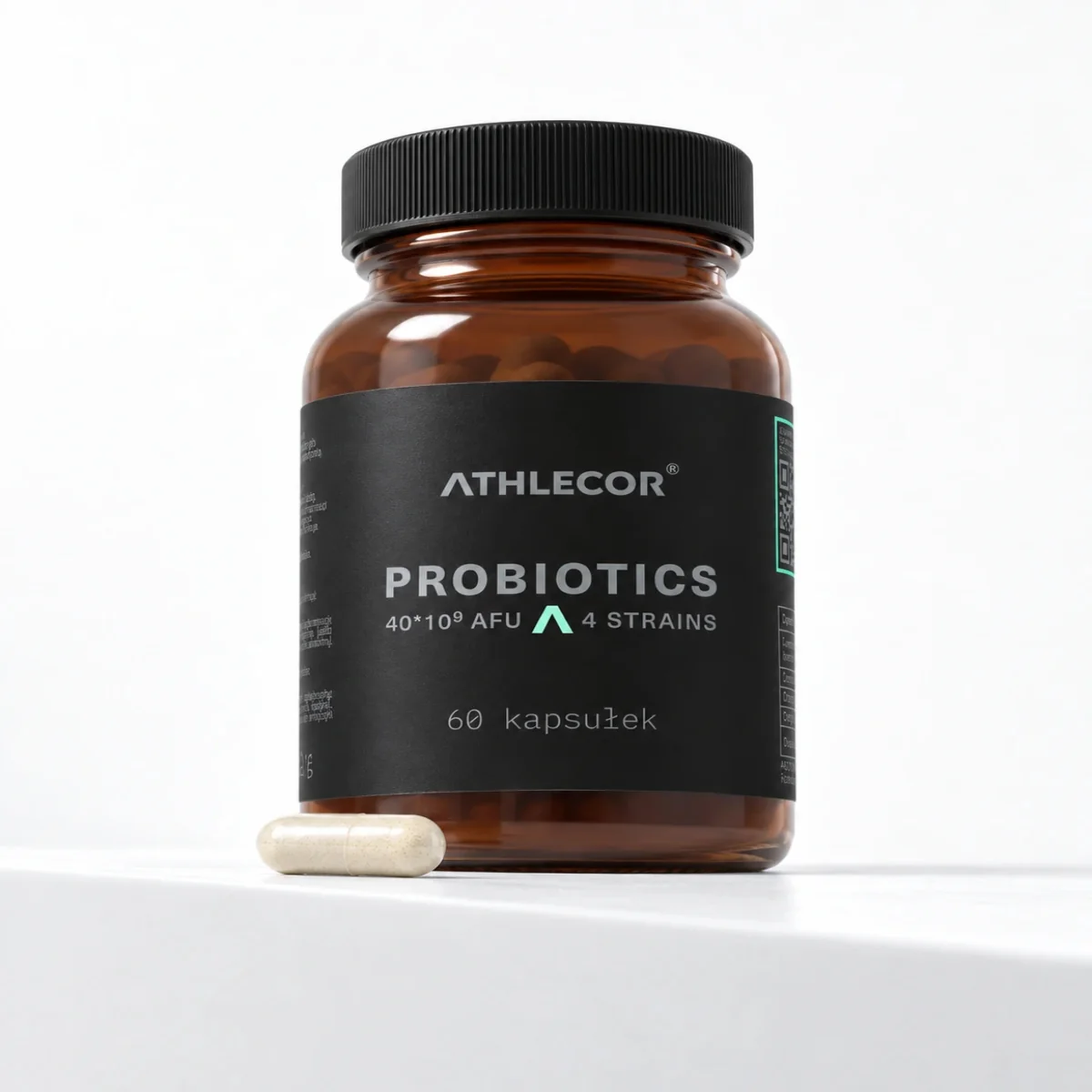
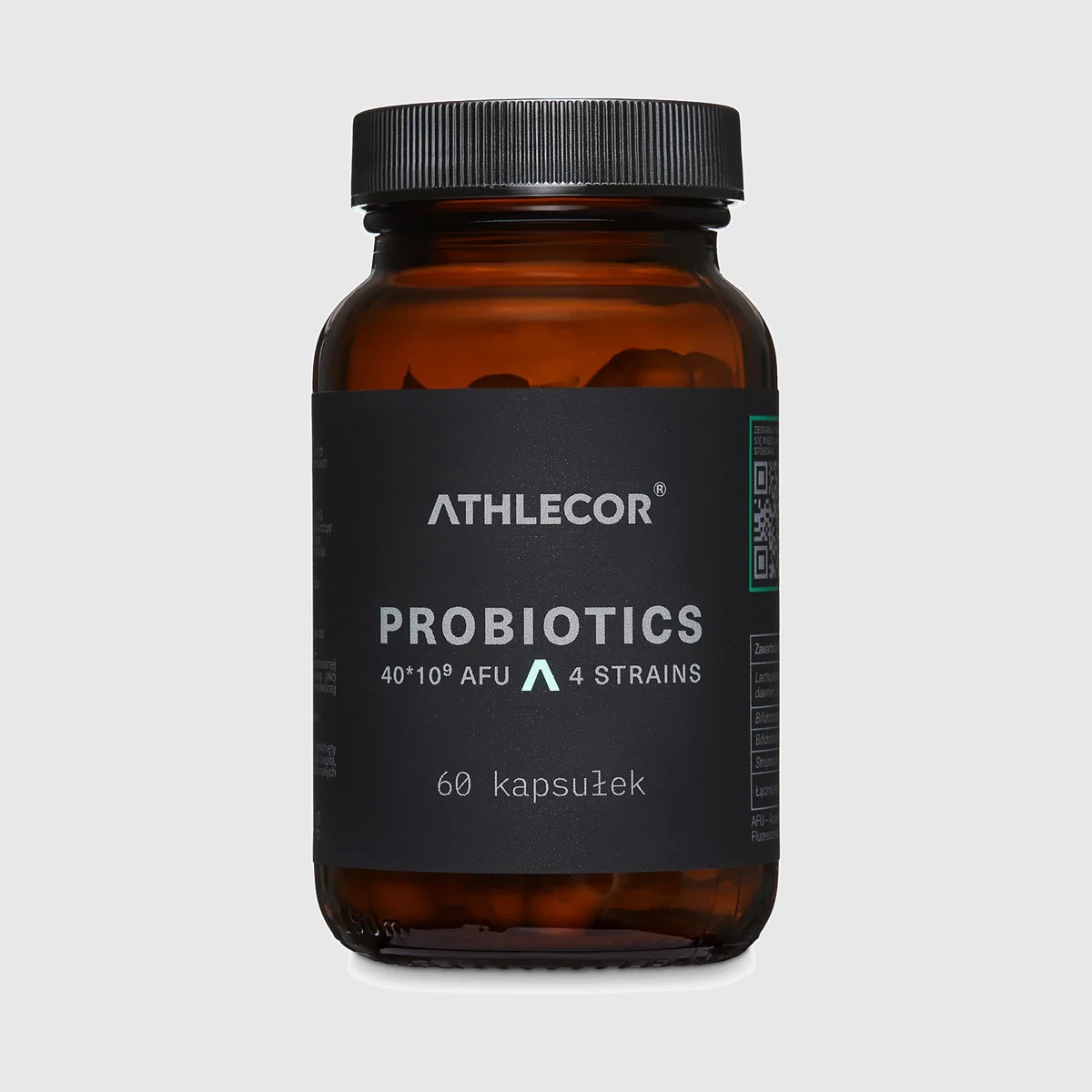
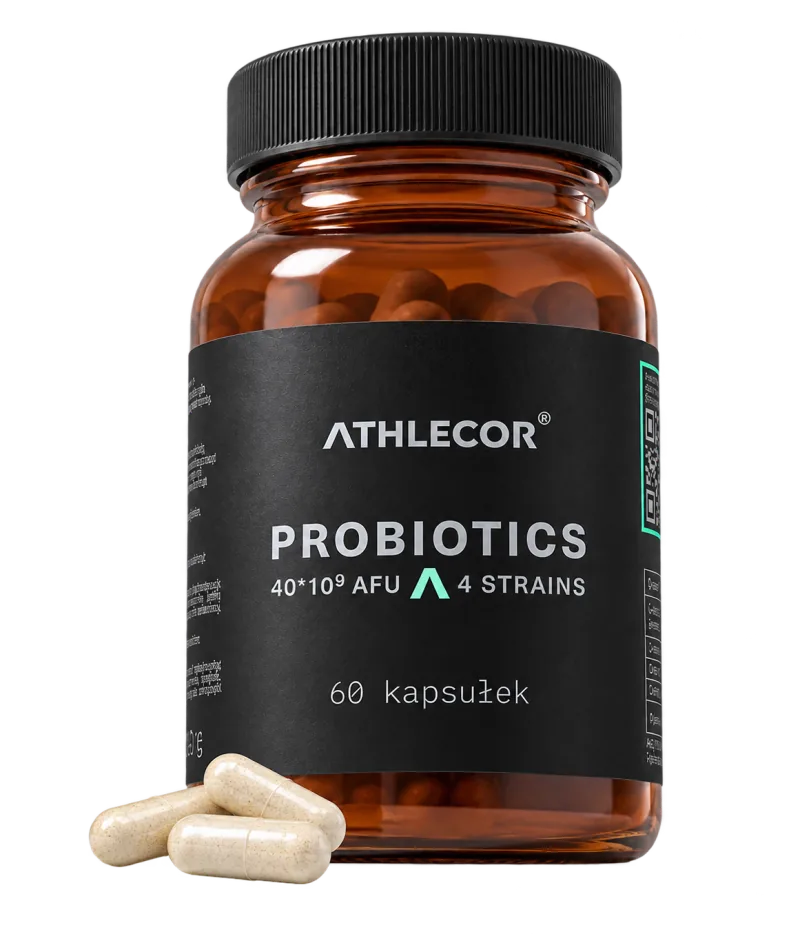
Probiotics

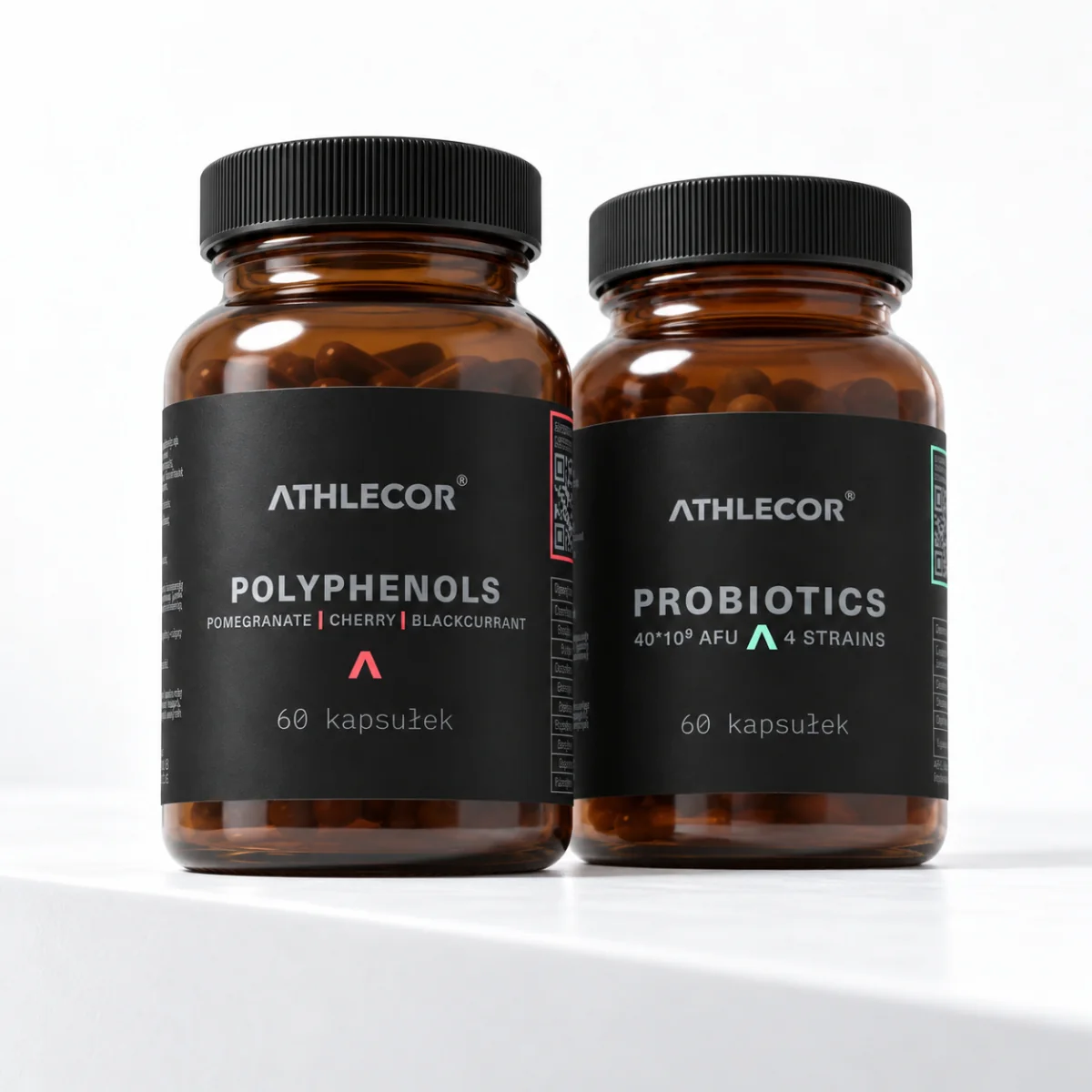
Used especially during periods of: training outdoors in low temperatures, gastrointestinal discomfort during exercise as support for gut flora (especially before a start), and after a course of antibiotics or a diet low in fibre/fermented foods. Dosage: a daily dose of 1-50 billion bacteria for the whole period of use; in the start period, increased stress or travel, daily for a minimum of 14 days before the event; after antibiotic therapy, daily for 2-4 weeks; with recurrent upper respiratory tract infections, seasonal supplementation (autumn/winter). All year: take care to include vegetables, fruit and fibre as natural support for the microflora.

LINK TO PRODUCT

Probiotics

Used especially during periods of: training outdoors in low temperatures, gastrointestinal discomfort during exercise as support for gut flora (especially before a start), and after a course of antibiotics or a diet low in fibre/fermented foods. Dosage: a daily dose of 1-50 billion bacteria for the whole period of use; in the start period, increased stress or travel, daily for a minimum of 14 days before the event; after antibiotic therapy, daily for 2-4 weeks; with recurrent upper respiratory tract infections, seasonal supplementation (autumn/winter). All year: take care to include vegetables, fruit and fibre as natural support for the microflora.

LINK TO PRODUCT

Probiotics

Used especially during periods of: training outdoors in low temperatures, gastrointestinal discomfort during exercise as support for gut flora (especially before a start), and after a course of antibiotics or a diet low in fibre/fermented foods. Dosage: a daily dose of 1-50 billion bacteria for the whole period of use; in the start period, increased stress or travel, daily for a minimum of 14 days before the event; after antibiotic therapy, daily for 2-4 weeks; with recurrent upper respiratory tract infections, seasonal supplementation (autumn/winter). All year: take care to include vegetables, fruit and fibre as natural support for the microflora.

LINK TO PRODUCT

Probiotics

Used especially during periods of: training outdoors in low temperatures, gastrointestinal discomfort during exercise as support for gut flora (especially before a start), and after a course of antibiotics or a diet low in fibre/fermented foods. Dosage: a daily dose of 1-50 billion bacteria for the whole period of use; in the start period, increased stress or travel, daily for a minimum of 14 days before the event; after antibiotic therapy, daily for 2-4 weeks; with recurrent upper respiratory tract infections, seasonal supplementation (autumn/winter). All year: take care to include vegetables, fruit and fibre as natural support for the microflora.

LINK TO PRODUCT

Probiotics

Used especially during periods of: training outdoors in low temperatures, gastrointestinal discomfort during exercise as support for gut flora (especially before a start), and after a course of antibiotics or a diet low in fibre/fermented foods. Dosage: a daily dose of 1-50 billion bacteria for the whole period of use; in the start period, increased stress or travel, daily for a minimum of 14 days before the event; after antibiotic therapy, daily for 2-4 weeks; with recurrent upper respiratory tract infections, seasonal supplementation (autumn/winter). All year: take care to include vegetables, fruit and fibre as natural support for the microflora.

LINK TO PRODUCT

Probiotics

Used especially during periods of: training outdoors in low temperatures, gastrointestinal discomfort during exercise as support for gut flora (especially before a start), and after a course of antibiotics or a diet low in fibre/fermented foods. Dosage: a daily dose of 1-50 billion bacteria for the whole period of use; in the start period, increased stress or travel, daily for a minimum of 14 days before the event; after antibiotic therapy, daily for 2-4 weeks; with recurrent upper respiratory tract infections, seasonal supplementation (autumn/winter). All year: take care to include vegetables, fruit and fibre as natural support for the microflora.

LINK TO PRODUCT

Probiotics

Used especially during periods of: training outdoors in low temperatures, gastrointestinal discomfort during exercise as support for gut flora (especially before a start), and after a course of antibiotics or a diet low in fibre/fermented foods. Dosage: a daily dose of 1-50 billion bacteria for the whole period of use; in the start period, increased stress or travel, daily for a minimum of 14 days before the event; after antibiotic therapy, daily for 2-4 weeks; with recurrent upper respiratory tract infections, seasonal supplementation (autumn/winter). All year: take care to include vegetables, fruit and fibre as natural support for the microflora.

LINK TO PRODUCT

Vitamin D

In the October to April period, take 2000 IU. In the May to September period, if the rule of 30-45 minutes in the sun between 10:00 and 15:00 without sunscreen is met, there is no need to supplement. In the case of deficiencies, the dose is individual.

Vitamin D

In the October to April period, take 2000 IU. In the May to September period, if the rule of 30-45 minutes in the sun between 10:00 and 15:00 without sunscreen is met, there is no need to supplement. In the case of deficiencies, the dose is individual.

Vitamin D

In the October to April period, take 2000 IU. In the May to September period, if the rule of 30-45 minutes in the sun between 10:00 and 15:00 without sunscreen is met, there is no need to supplement. In the case of deficiencies, the dose is individual.

Vitamin D

In the October to April period, take 2000 IU. In the May to September period, if the rule of 30-45 minutes in the sun between 10:00 and 15:00 without sunscreen is met, there is no need to supplement. In the case of deficiencies, the dose is individual.

Vitamin D

In the October to April period, take 2000 IU. In the May to September period, if the rule of 30-45 minutes in the sun between 10:00 and 15:00 without sunscreen is met, there is no need to supplement. In the case of deficiencies, the dose is individual.

Vitamin D

In the October to April period, take 2000 IU. In the May to September period, if the rule of 30-45 minutes in the sun between 10:00 and 15:00 without sunscreen is met, there is no need to supplement. In the case of deficiencies, the dose is individual.

Vitamin D

In the October to April period, take 2000 IU. In the May to September period, if the rule of 30-45 minutes in the sun between 10:00 and 15:00 without sunscreen is met, there is no need to supplement. In the case of deficiencies, the dose is individual.

The entire season

Nitrates

Dosage: 1 serving 350-650 mg. When: 2-3 h before interval or continuous training lasting 4-30 minutes. Before a competition: 3-6 days (in well-trained athletes, even 15 days before) before the event, 1 serving in the morning and evening. On start day: 1 serving 2-3 h before exercise.

LINK TO PRODUCT

Nitrates

Dosage: 1 serving 350-650 mg. When: 2-3 h before interval or continuous training lasting 4-30 minutes. Before a competition: 3-6 days (in well-trained athletes, even 15 days before) before the event, 1 serving in the morning and evening. On start day: 1 serving 2-3 h before exercise.

LINK TO PRODUCT

Nitrates

Dosage: 1 serving 350-650 mg. When: 2-3 h before interval or continuous training lasting 4-30 minutes. Before a competition: 3-6 days (in well-trained athletes, even 15 days before) before the event, 1 serving in the morning and evening. On start day: 1 serving 2-3 h before exercise.

LINK TO PRODUCT

Nitrates

Dosage: 1 serving 350-650 mg. When: 2-3 h before interval or continuous training lasting 4-30 minutes. Before a competition: 3-6 days (in well-trained athletes, even 15 days before) before the event, 1 serving in the morning and evening. On start day: 1 serving 2-3 h before exercise.

LINK TO PRODUCT

Nitrates

Dosage: 1 serving 350-650 mg. When: 2-3 h before interval or continuous training lasting 4-30 minutes. Before a competition: 3-6 days (in well-trained athletes, even 15 days before) before the event, 1 serving in the morning and evening. On start day: 1 serving 2-3 h before exercise.

LINK TO PRODUCT

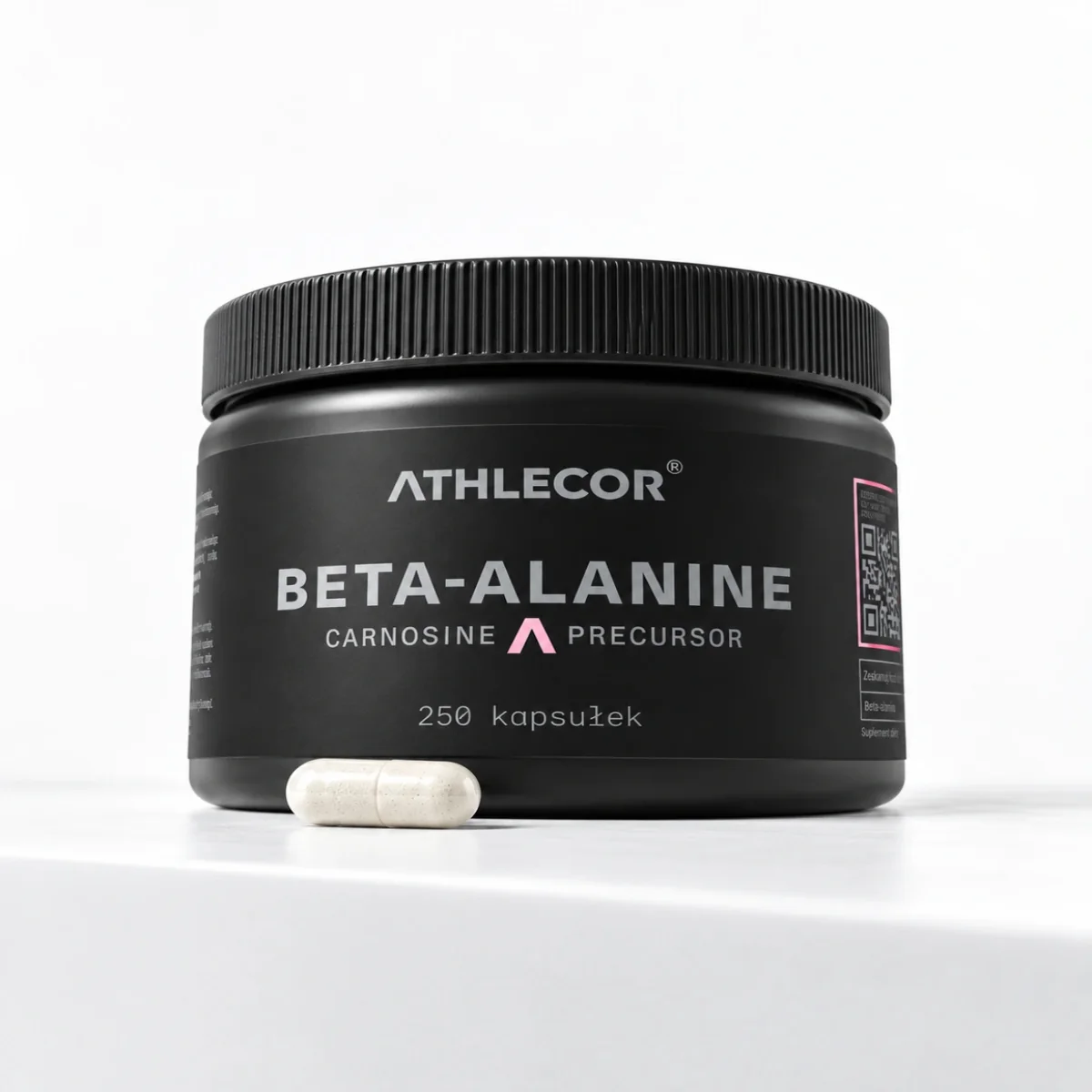
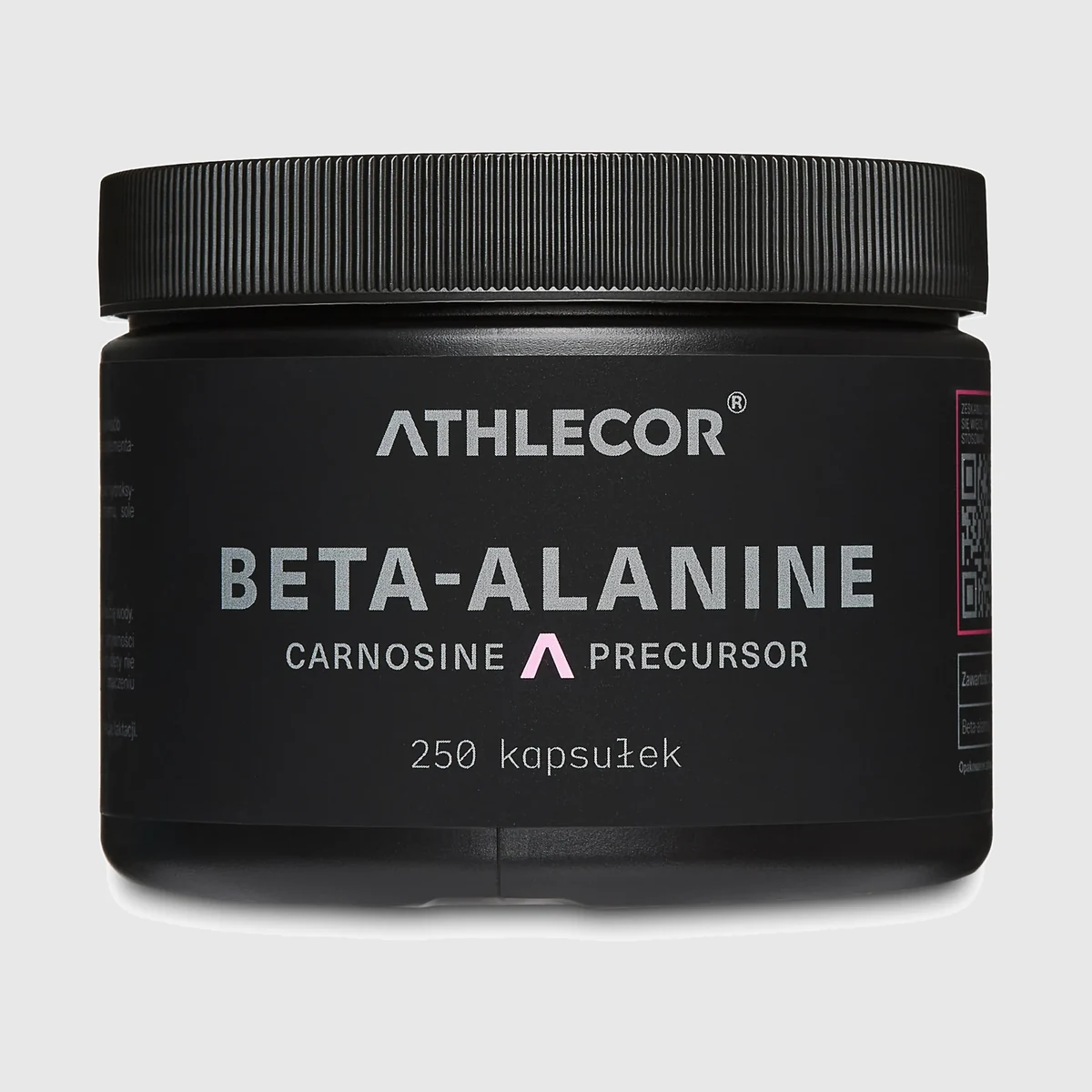
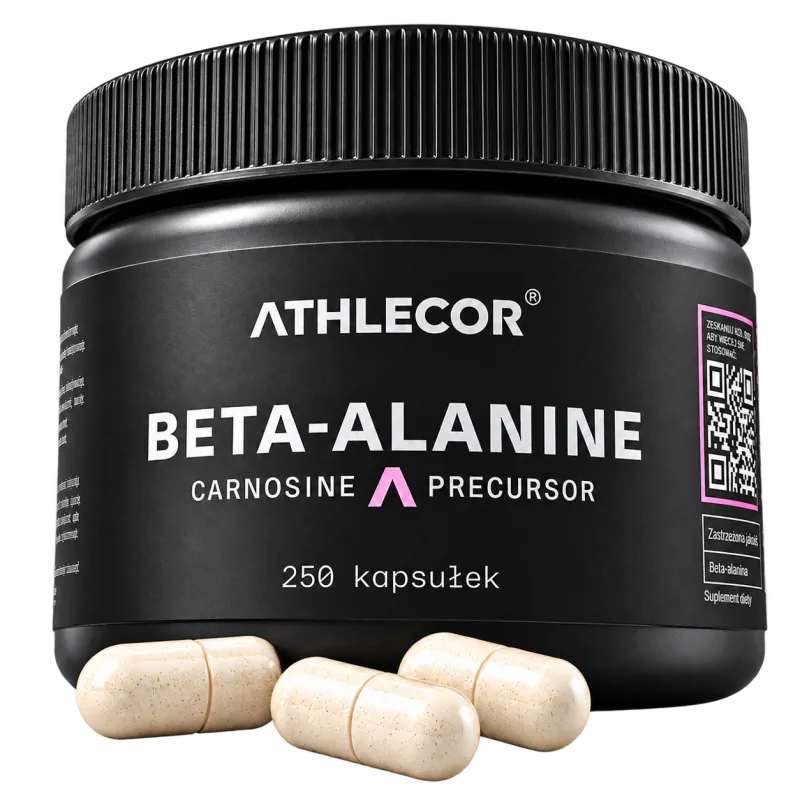
Beta-alanine

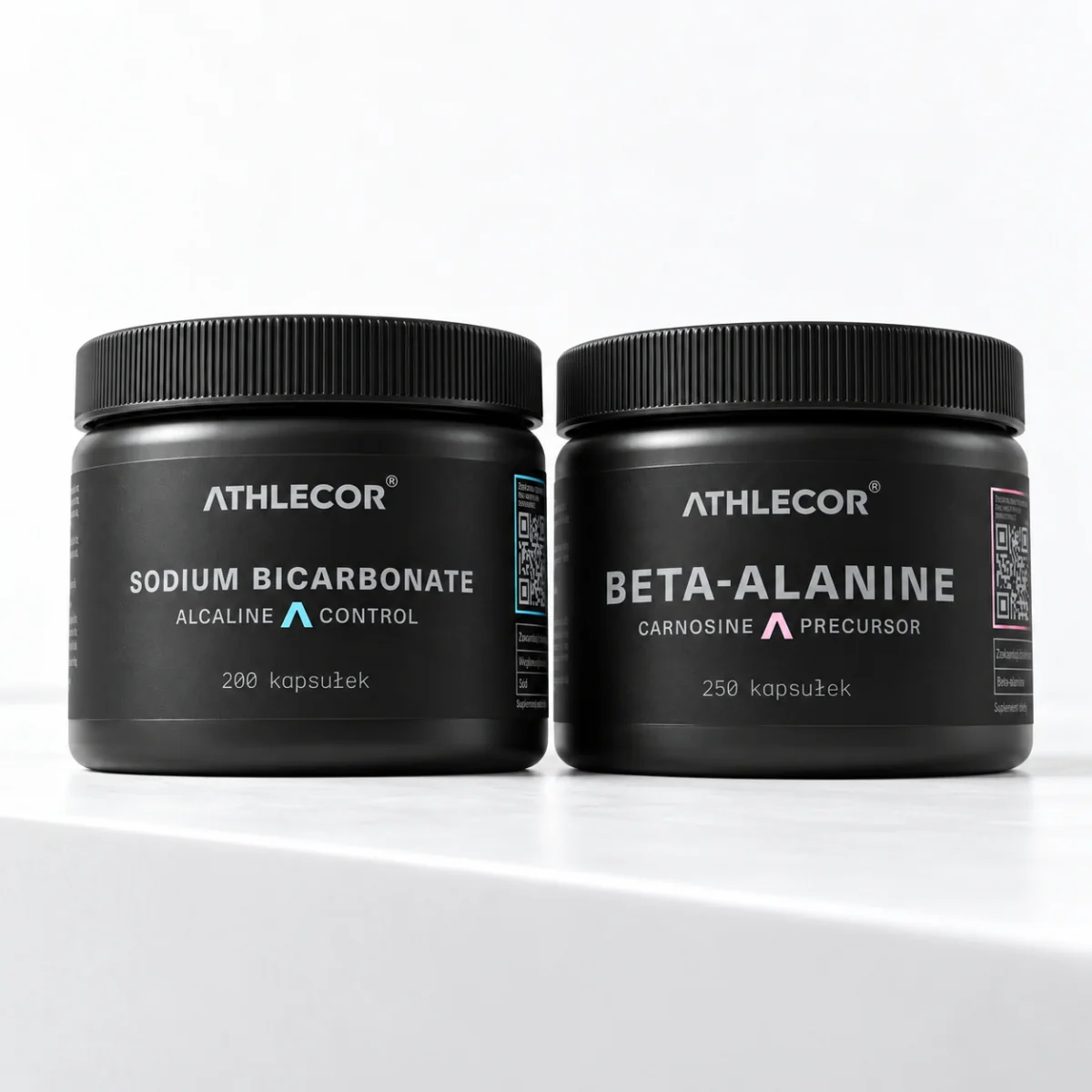
Dosage: loading phase, 6.4 g daily for 4 weeks; maintenance, 1.5 g daily. When: daily, ideally in 3-4 portions; split doses minimise the tingling sensation (paraesthesia). Notes: best taken with main meals; the number of portions depends on individual tolerance.

LINK TO PRODUCT

Beta-alanine

Dosage: loading phase, 6.4 g daily for 4 weeks; maintenance, 1.5 g daily. When: daily, ideally in 3-4 portions; split doses minimise the tingling sensation (paraesthesia). Notes: best taken with main meals; the number of portions depends on individual tolerance.

LINK TO PRODUCT

Caffeine

Dosage: 1 capsule = 200 mg caffeine. This corresponds to around 3 mg/kg of body mass for a person weighing around 65-70 kg. When: 60 minutes before exercise, to obtain the maximum stimulating effect. Use: before a start or training, when the goal is to improve concentration, reaction time and stimulation of the nervous system. Use late in the afternoon or in the evening is not recommended, given the possible effect on sleep.

Caffeine

Dosage: 1 capsule = 200 mg caffeine. This corresponds to around 3 mg/kg of body mass for a person weighing around 65-70 kg. When: 60 minutes before exercise, to obtain the maximum stimulating effect. Use: before a start or training, when the goal is to improve concentration, reaction time and stimulation of the nervous system. Use late in the afternoon or in the evening is not recommended, given the possible effect on sleep.

Caffeine

Dosage: 1 capsule = 200 mg caffeine. This corresponds to around 3 mg/kg of body mass for a person weighing around 65-70 kg. When: 60 minutes before exercise, to obtain the maximum stimulating effect. Use: before a start or training, when the goal is to improve concentration, reaction time and stimulation of the nervous system. Use late in the afternoon or in the evening is not recommended, given the possible effect on sleep.

Caffeine

Dosage: 1 capsule = 200 mg caffeine. This corresponds to around 3 mg/kg of body mass for a person weighing around 65-70 kg. When: 60 minutes before exercise, to obtain the maximum stimulating effect. Use: before a start or training, when the goal is to improve concentration, reaction time and stimulation of the nervous system. Use late in the afternoon or in the evening is not recommended, given the possible effect on sleep.

Caffeine

Dosage: 1 capsule = 200 mg caffeine. This corresponds to around 3 mg/kg of body mass for a person weighing around 65-70 kg. When: 60 minutes before exercise, to obtain the maximum stimulating effect. Use: before a start or training, when the goal is to improve concentration, reaction time and stimulation of the nervous system. Use late in the afternoon or in the evening is not recommended, given the possible effect on sleep.

Caffeine

Dosage: 1 capsule = 200 mg caffeine. This corresponds to around 3 mg/kg of body mass for a person weighing around 65-70 kg. When: 60 minutes before exercise, to obtain the maximum stimulating effect. Use: before a start or training, when the goal is to improve concentration, reaction time and stimulation of the nervous system. Use late in the afternoon or in the evening is not recommended, given the possible effect on sleep.

Caffeine

Dosage: 1 capsule = 200 mg caffeine. This corresponds to around 3 mg/kg of body mass for a person weighing around 65-70 kg. When: 60 minutes before exercise, to obtain the maximum stimulating effect. Use: before a start or training, when the goal is to improve concentration, reaction time and stimulation of the nervous system. Use late in the afternoon or in the evening is not recommended, given the possible effect on sleep.

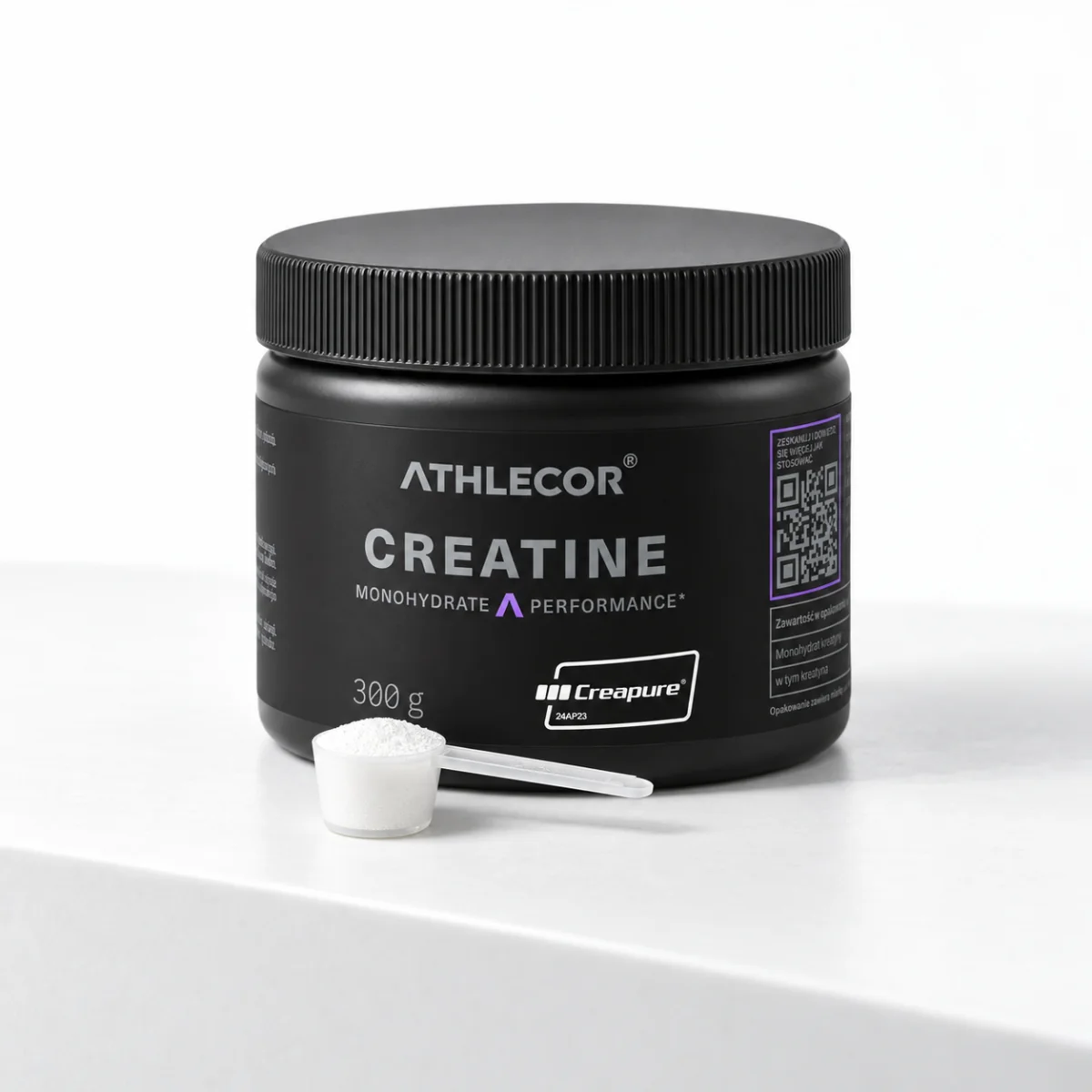
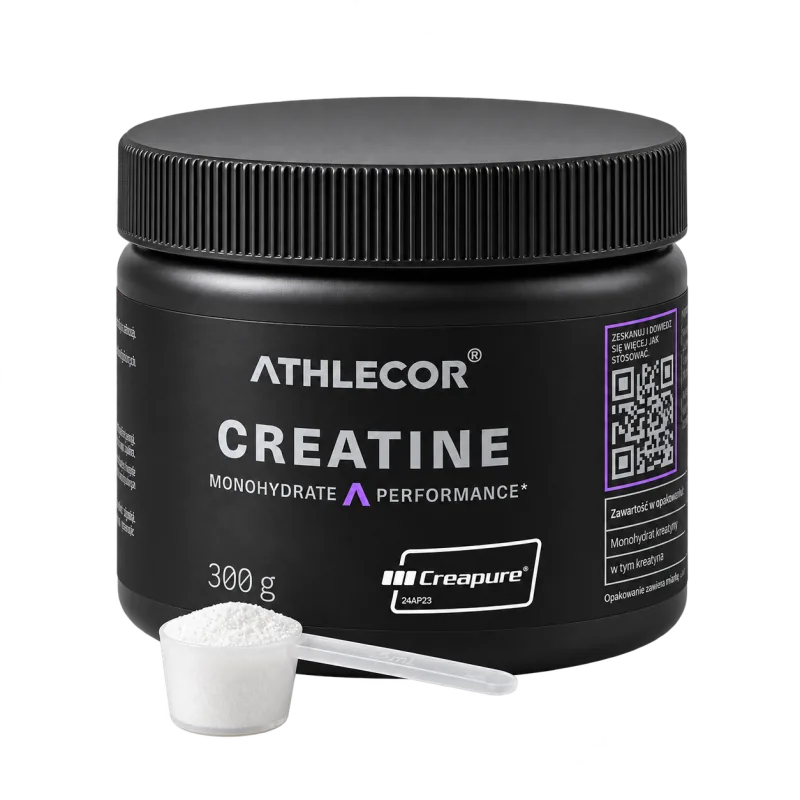
Creatine

Dosage: daily, 3-5 g/day. Note: stop supplementation around 4 weeks before starts if there is a clear tendency for body mass to rise under its effect. When: daily, in the morning or evening. Evidence indicates better absorption with a post-training meal. Can be taken together with a protein/carbohydrate shake or after a main meal (e.g. lunch/dinner).

LINK TO PRODUCT

Creatine

Dosage: daily, 3-5 g/day. Note: stop supplementation around 4 weeks before starts if there is a clear tendency for body mass to rise under its effect. When: daily, in the morning or evening. Evidence indicates better absorption with a post-training meal. Can be taken together with a protein/carbohydrate shake or after a main meal (e.g. lunch/dinner).

LINK TO PRODUCT

Creatine

Dosage: daily, 3-5 g/day. Note: stop supplementation around 4 weeks before starts if there is a clear tendency for body mass to rise under its effect. When: daily, in the morning or evening. Evidence indicates better absorption with a post-training meal. Can be taken together with a protein/carbohydrate shake or after a main meal (e.g. lunch/dinner).

LINK TO PRODUCT

Creatine

Dosage: daily, 3-5 g/day. Note: stop supplementation around 4 weeks before starts if there is a clear tendency for body mass to rise under its effect. When: daily, in the morning or evening. Evidence indicates better absorption with a post-training meal. Can be taken together with a protein/carbohydrate shake or after a main meal (e.g. lunch/dinner).

LINK TO PRODUCT

Creatine

Dosage: daily, 3-5 g/day. Note: stop supplementation around 4 weeks before starts if there is a clear tendency for body mass to rise under its effect. When: daily, in the morning or evening. Evidence indicates better absorption with a post-training meal. Can be taken together with a protein/carbohydrate shake or after a main meal (e.g. lunch/dinner).

LINK TO PRODUCT

Creatine

Dosage: daily, 3-5 g/day. Note: stop supplementation around 4 weeks before starts if there is a clear tendency for body mass to rise under its effect. When: daily, in the morning or evening. Evidence indicates better absorption with a post-training meal. Can be taken together with a protein/carbohydrate shake or after a main meal (e.g. lunch/dinner).

LINK TO PRODUCT

Creatine

Dosage: daily, 3-5 g/day. When: daily, in the morning or evening. Evidence indicates better absorption with a post-training meal. Can be taken together with a protein/carbohydrate shake or after a main meal (e.g. lunch/dinner).

LINK TO PRODUCT

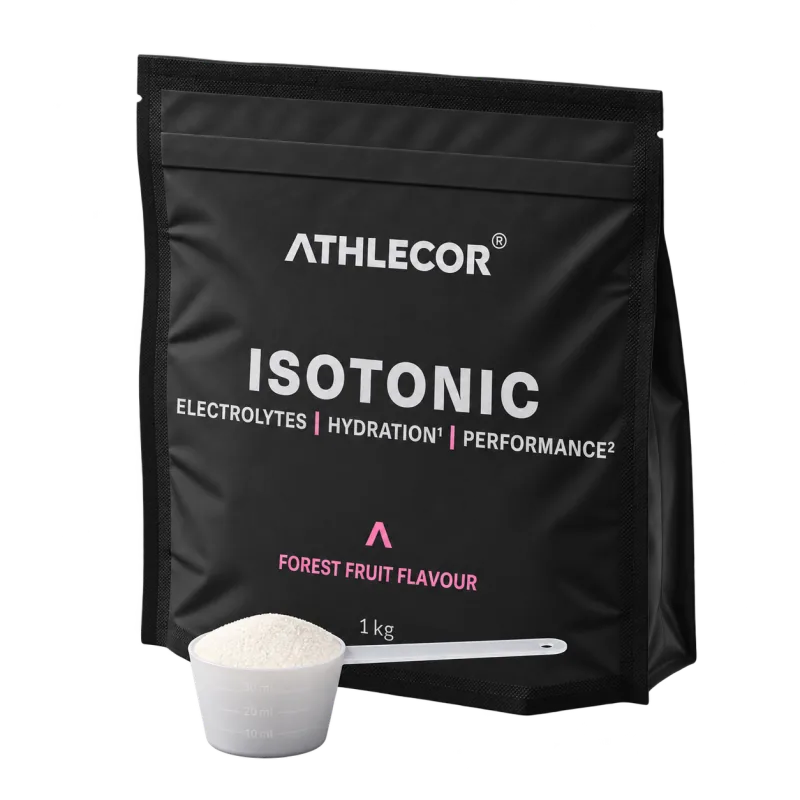
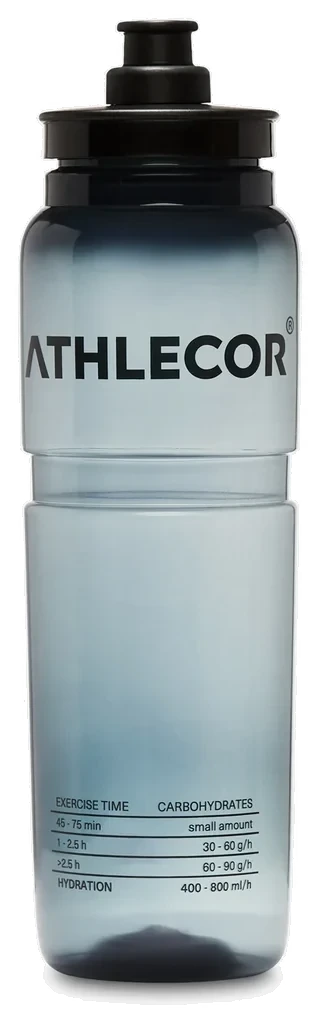
Isotonic drinks / Energy gels

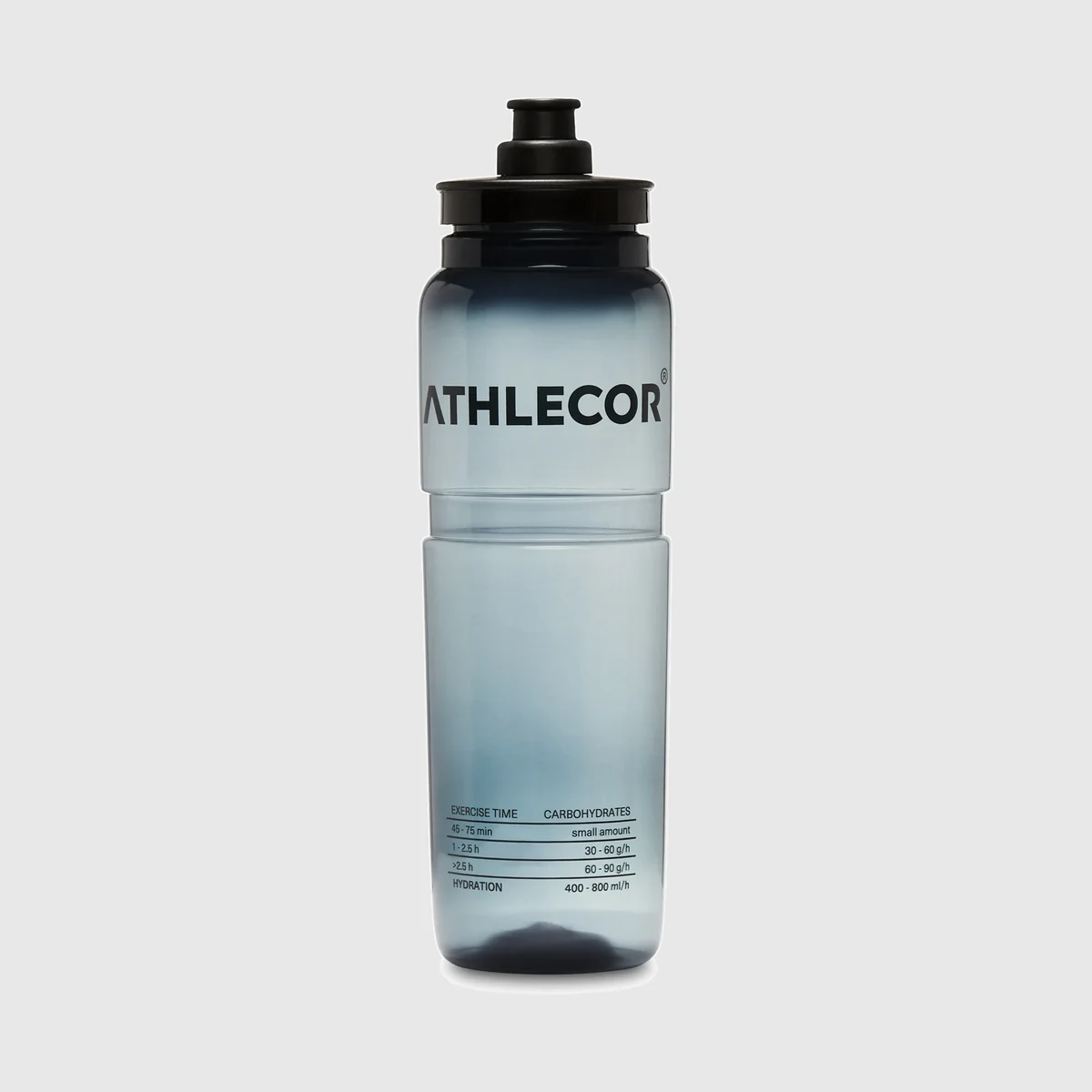
Carbohydrates during exercise, depending on duration: 1 h, 0-30 g CHO/h; 2 h, 30-60 g CHO/h; 3 h and more, 60-90+ g CHO/h. Fluids: 400-800 ml/h, depending on temperature, intensity and individual sweat rate; keep a steady drinking pace (e.g. every 10-15 min), ideally in small portions. When: during longer sessions (over 60 min). The form (drink, gel, bar) depends on intensity and gastrointestinal tolerance.

LINK TO PRODUCT

Isotonic drinks / Energy gels

Carbohydrates during exercise, depending on duration: 1 h, 0-30 g CHO/h; 2 h, 30-60 g CHO/h; 3 h and more, 60-90+ g CHO/h. Fluids: 400-800 ml/h, depending on temperature, intensity and individual sweat rate; keep a steady drinking pace (e.g. every 10-15 min), ideally in small portions. When: during longer sessions (over 60 min). The form (drink, gel, bar) depends on intensity and gastrointestinal tolerance.

LINK TO PRODUCT

Isotonic drinks / Energy gels

Carbohydrates during exercise, depending on duration: 1 h, 0-30 g CHO/h; 2 h, 30-60 g CHO/h; 3 h and more, 60-90+ g CHO/h. Fluids: 400-800 ml/h, depending on temperature, intensity and individual sweat rate; keep a steady drinking pace (e.g. every 10-15 min), ideally in small portions. When: during longer sessions (over 60 min). The form (drink, gel, bar) depends on intensity and gastrointestinal tolerance.

LINK TO PRODUCT

Isotonic drinks / Energy gels

Carbohydrates during exercise, depending on duration: 1 h, 0-30 g CHO/h; 2 h, 30-60 g CHO/h; 3 h and more, 60-90+ g CHO/h. Fluids: 400-800 ml/h, depending on temperature, intensity and individual sweat rate; keep a steady drinking pace (e.g. every 10-15 min), ideally in small portions. When: during longer sessions (over 60 min). The form (drink, gel, bar) depends on intensity and gastrointestinal tolerance.

LINK TO PRODUCT

Isotonic drinks / Energy gels

Carbohydrates during exercise, depending on duration: 1 h, 0-30 g CHO/h; 2 h, 30-60 g CHO/h; 3 h and more, 60-90+ g CHO/h. Fluids: 400-800 ml/h, depending on temperature, intensity and individual sweat rate; keep a steady drinking pace (e.g. every 10-15 min), ideally in small portions. When: during longer sessions (over 60 min). The form (drink, gel, bar) depends on intensity and gastrointestinal tolerance.

LINK TO PRODUCT

Isotonic drinks / Energy gels

Carbohydrates during exercise, depending on duration: 1 h, 0-30 g CHO/h; 2 h, 30-60 g CHO/h; 3 h and more, 60-90+ g CHO/h. Fluids: 400-800 ml/h, depending on temperature, intensity and individual sweat rate; keep a steady drinking pace (e.g. every 10-15 min), ideally in small portions. When: during longer sessions (over 60 min). The form (drink, gel, bar) depends on intensity and gastrointestinal tolerance.

LINK TO PRODUCT

Complex carbohydrates

Carbohydrates after exercise, depending on training volume: 0.8-1.2 g/kg of body mass. When: only after high-volume or high-intensity sessions, or with two sessions a day. Example: on average 1 g/kg of body mass, e.g. 60 g for a person weighing 60 kg.

Complex carbohydrates

Carbohydrates after exercise, depending on training volume: 0.8-1.2 g/kg of body mass. When: only after high-volume or high-intensity sessions, or with two sessions a day. Example: on average 1 g/kg of body mass, e.g. 60 g for a person weighing 60 kg.

Complex carbohydrates

Carbohydrates after exercise, depending on training volume: 0.8-1.2 g/kg of body mass. When: only after high-volume or high-intensity sessions, or with two sessions a day. Example: on average 1 g/kg of body mass, e.g. 60 g for a person weighing 60 kg.

Complex carbohydrates

Carbohydrates after exercise, depending on training volume: 0.8-1.2 g/kg of body mass. When: only after high-volume or high-intensity sessions, or with two sessions a day. Example: on average 1 g/kg of body mass, e.g. 60 g for a person weighing 60 kg.

Complex carbohydrates

Carbohydrates after exercise, depending on training volume: 0.8-1.2 g/kg of body mass. When: only after high-volume or high-intensity sessions, or with two sessions a day. Example: on average 1 g/kg of body mass, e.g. 60 g for a person weighing 60 kg.

Complex carbohydrates

Carbohydrates after exercise, depending on training volume: 0.8-1.2 g/kg of body mass. When: only after high-volume or high-intensity sessions, or with two sessions a day. Example: on average 1 g/kg of body mass, e.g. 60 g for a person weighing 60 kg.

Intensive season

Nitrates

Dosage: 1 serving 350-650 mg. When: 2-3 h before interval or continuous training lasting 4-30 minutes. Before a competition: 3-6 days (in well-trained athletes, even 15 days before) before the event, 1 serving in the morning and evening. On start day: 1 serving 2-3 h before exercise.

LINK TO PRODUCT

Beta-alanine

Dosage: loading phase, 6.4 g daily for 4 weeks; maintenance, 1.5 g daily. When: daily, ideally in 3-4 portions; split doses minimise the tingling sensation (paraesthesia). Notes: best taken with main meals; the number of portions depends on individual tolerance.

LINK TO PRODUCT

Beta-alanine

Dosage: loading phase, 6.4 g daily for 4 weeks; maintenance, 1.5 g daily. When: daily, ideally in 3-4 portions; split doses minimise the tingling sensation (paraesthesia). Notes: best taken with main meals; the number of portions depends on individual tolerance.

LINK TO PRODUCT

Beta-alanine

Dosage: loading phase, 6.4 g daily for 4 weeks; maintenance, 1.5 g daily. When: daily, ideally in 3-4 portions; split doses minimise the tingling sensation (paraesthesia). Notes: best taken with main meals; the number of portions depends on individual tolerance.

LINK TO PRODUCT

Beta-alanine

Dosage: loading phase, 6.4 g daily for 4 weeks; maintenance, 1.5 g daily. When: daily, ideally in 3-4 portions; split doses minimise the tingling sensation (paraesthesia). Notes: best taken with main meals; the number of portions depends on individual tolerance.

LINK TO PRODUCT

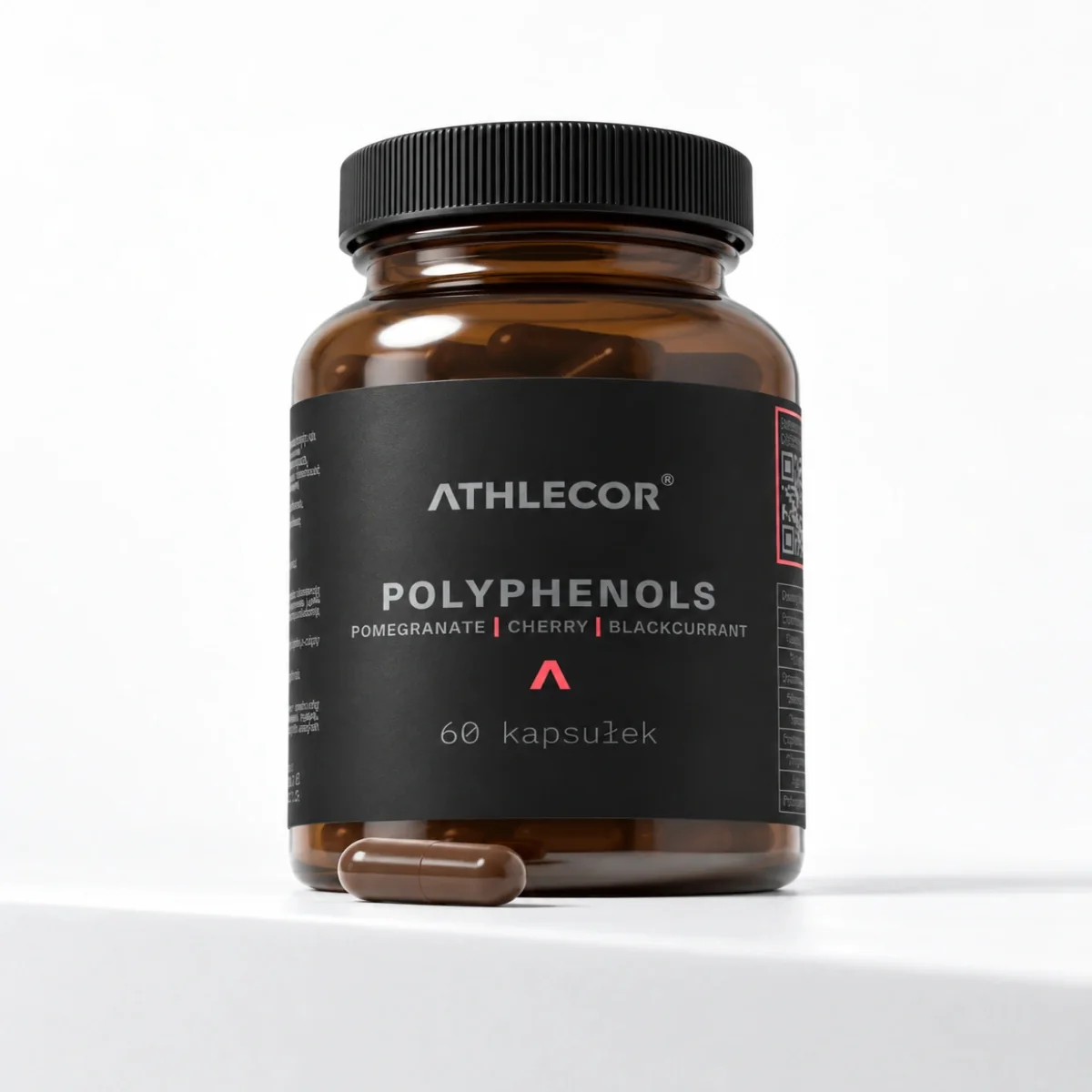
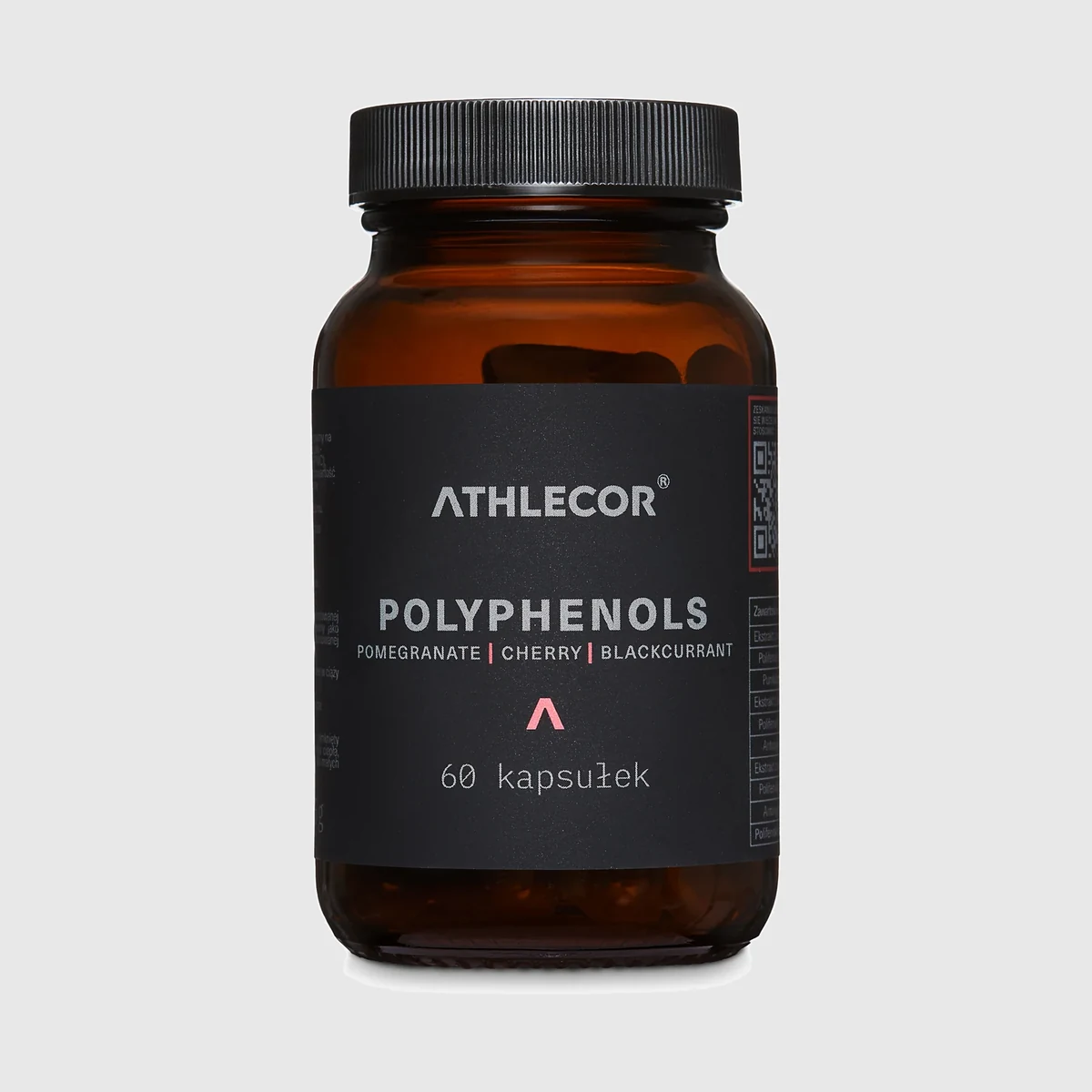
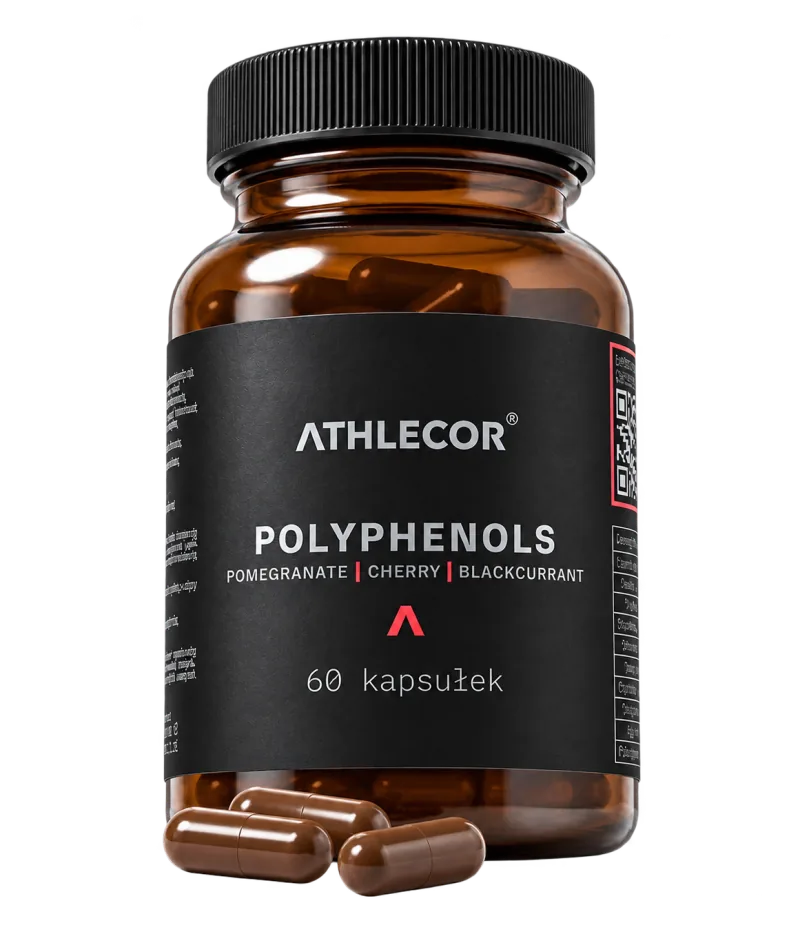
Plant polyphenols

Recommended use: around 1000 mg daily split into two portions. How to use: take 2× daily (morning and evening), ideally 1-2 h before sleep. Start period: for 5 days before a competition, on competition day and for 5 days after the start. On start day: the final dose ideally around 2 h before exercise. As needed: can also be used during training camps, on rest days from training or in periods of increased load when extra recovery is needed.

LINK TO PRODUCT

Plant polyphenols

Recommended use: around 1000 mg daily split into two portions. How to use: take 2× daily (morning and evening), ideally 1-2 h before sleep. Start period: for 5 days before a competition, on competition day and for 5 days after the start. On start day: the final dose ideally around 2 h before exercise. As needed: can also be used during training camps, on rest days from training or in periods of increased load when extra recovery is needed.

LINK TO PRODUCT

Plant polyphenols

Recommended use: around 1000 mg daily split into two portions. How to use: take 2× daily (morning and evening), ideally 1-2 h before sleep. Start period: for 5 days before a competition, on competition day and for 5 days after the start. On start day: the final dose ideally around 2 h before exercise. As needed: can also be used during training camps, on rest days from training or in periods of increased load when extra recovery is needed.

LINK TO PRODUCT

Plant polyphenols

Recommended use: around 1000 mg daily split into two portions. How to use: take 2× daily (morning and evening), ideally 1-2 h before sleep. Start period: for 5 days before a competition, on competition day and for 5 days after the start. On start day: the final dose ideally around 2 h before exercise. As needed: can also be used during training camps, on rest days from training or in periods of increased load when extra recovery is needed.

LINK TO PRODUCT

Plant polyphenols

Recommended use: around 1000 mg daily split into two portions. How to use: take 2× daily (morning and evening), ideally 1-2 h before sleep. Start period: for 5 days before a competition, on competition day and for 5 days after the start. On start day: the final dose ideally around 2 h before exercise. As needed: can also be used during training camps, on rest days from training or in periods of increased load when extra recovery is needed.

LINK TO PRODUCT

Plant polyphenols

Recommended use: around 1000 mg daily split into two portions. How to use: take 2× daily (morning and evening), ideally 1-2 h before sleep. Start period: for 5 days before a competition, on competition day and for 5 days after the start. On start day: the final dose ideally around 2 h before exercise. As needed: can also be used during training camps, on rest days from training or in periods of increased load when extra recovery is needed.

LINK TO PRODUCT

Plant polyphenols

Recommended use: around 1000 mg daily split into two portions. How to use: take 2× daily (morning and evening), ideally 1-2 h before sleep. Start period: for 5 days before a competition, on competition day and for 5 days after the start. On start day: the final dose ideally around 2 h before exercise. As needed: can be used as needed for better recovery or improved sleep, however, in strength sports where muscle hypertrophy plays a major role, it should not be used too often.

LINK TO PRODUCT

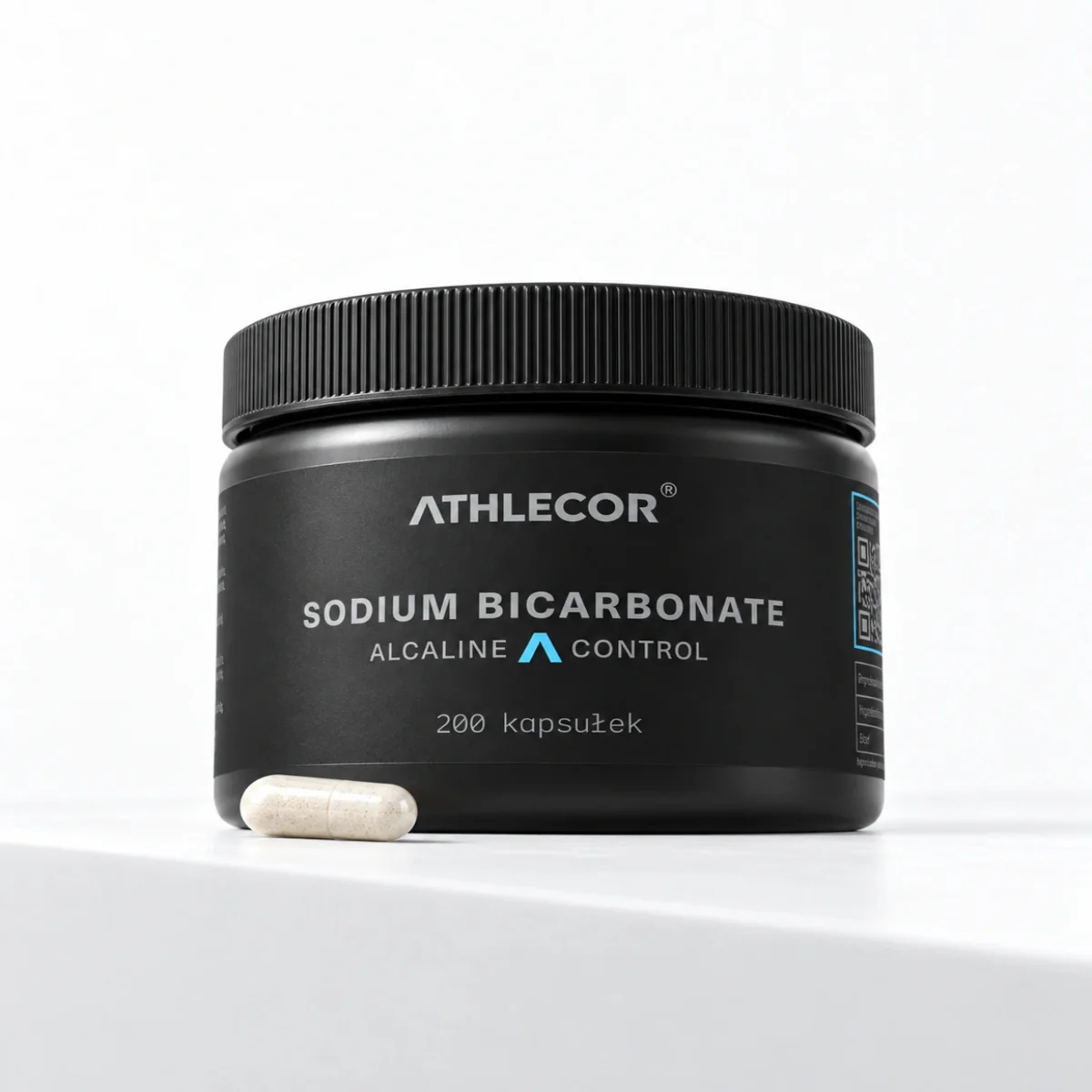
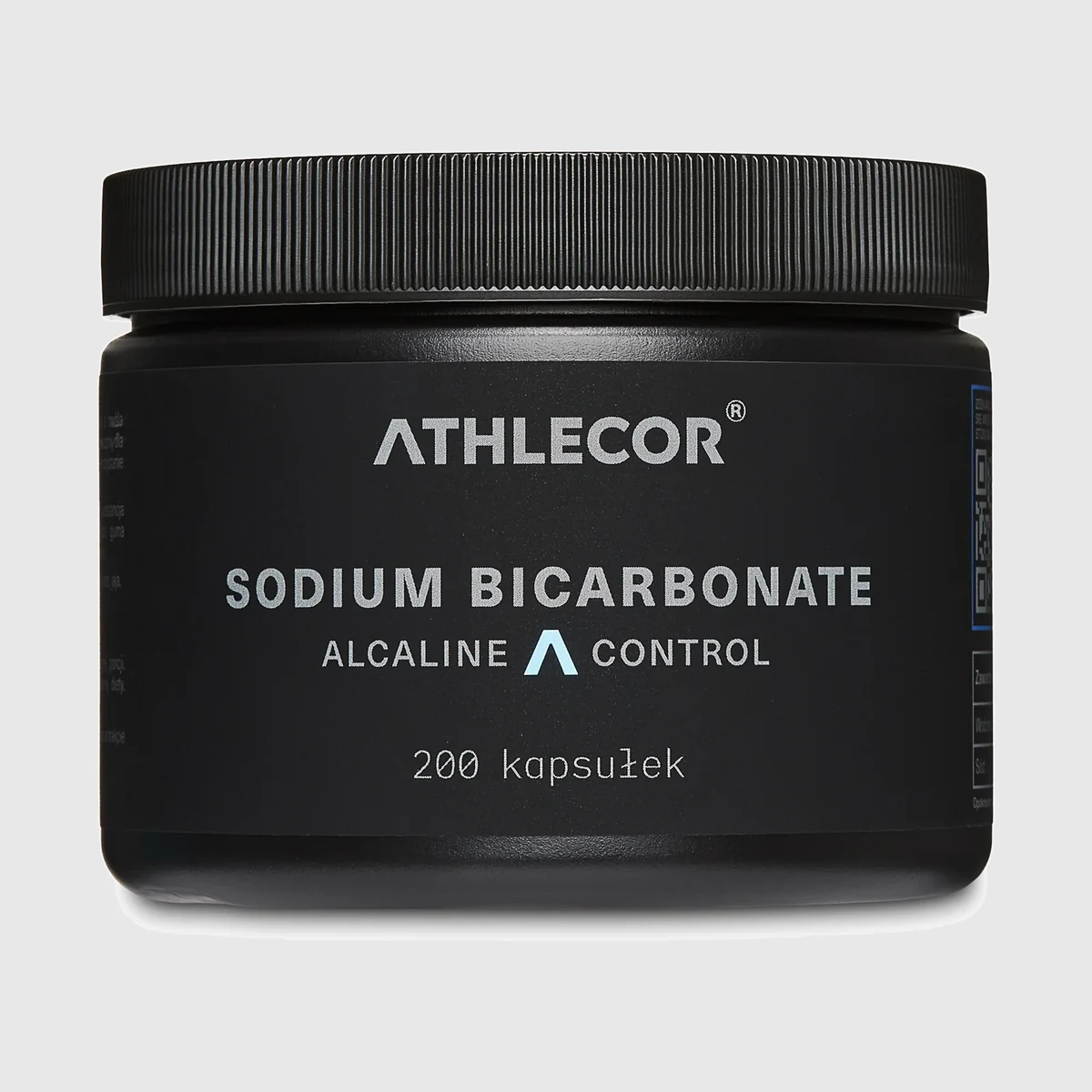
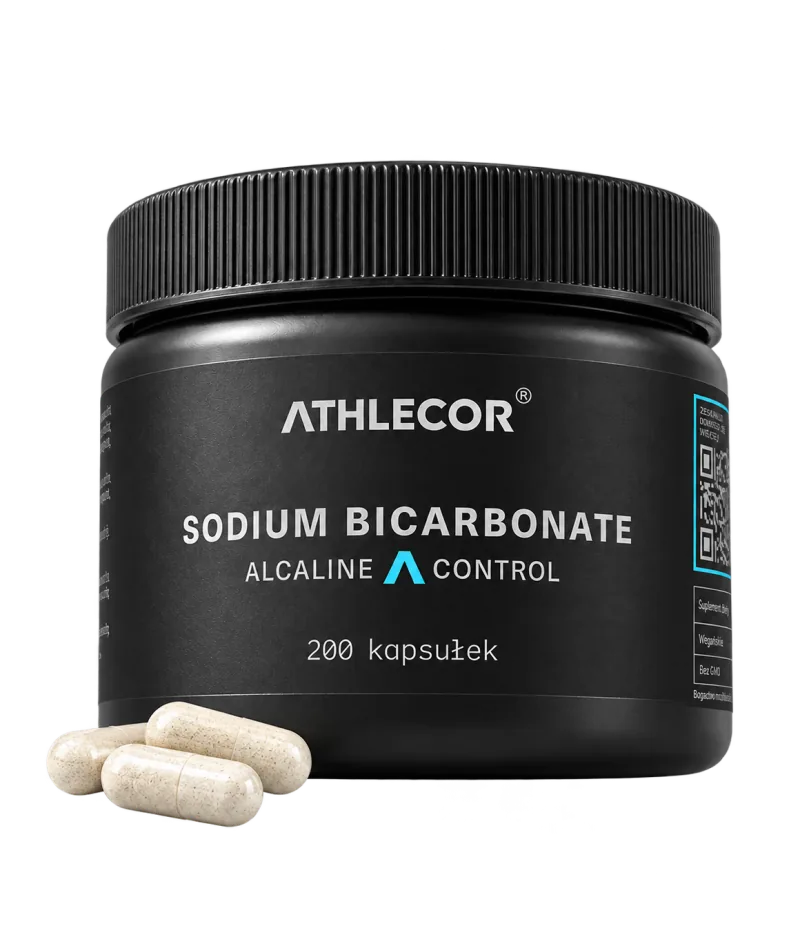
Sodium bicarbonate

Dosage: 0.2-0.4 g/kg of body mass; recommended dose: 0.25 g/kg of body mass, meaning around 15 g for a person weighing 60 kg or around 20 g for a person weighing 80 kg. When: 120-150 minutes before exercise, taken in several portions over 30-60 minutes, not all at once. Wash it down with: water, 10 ml/kg of body mass recommended (e.g. 600 ml at 60 kg); best taken with a light meal rich in carbohydrates (around 1.5 g/kg of body mass), which improves gastrointestinal tolerance. Use: before efforts of very high intensity (under 10 minutes) or sessions targeting VO2max; no more often than 2× per week, given the high metabolic load.

LINK TO PRODUCT

Sodium bicarbonate

Dosage: 0.2-0.4 g/kg of body mass; recommended dose: 0.25 g/kg of body mass, meaning around 15 g for a person weighing 60 kg or around 20 g for a person weighing 80 kg. When: 120-150 minutes before exercise, taken in several portions over 30-60 minutes, not all at once. Wash it down with: water, 10 ml/kg of body mass recommended (e.g. 600 ml at 60 kg); best taken with a light meal rich in carbohydrates (around 1.5 g/kg of body mass), which improves gastrointestinal tolerance. Use: before efforts of very high intensity (under 10 minutes) or sessions targeting VO2max; no more often than 2× per week, given the high metabolic load.

LINK TO PRODUCT

Sodium bicarbonate

Dosage: 0.2-0.4 g/kg of body mass; recommended dose: 0.25 g/kg of body mass, meaning around 15 g for a person weighing 60 kg or around 20 g for a person weighing 80 kg. When: 120-150 minutes before exercise, taken in several portions over 30-60 minutes, not all at once. Wash it down with: water, 10 ml/kg of body mass recommended (e.g. 600 ml at 60 kg); best taken with a light meal rich in carbohydrates (around 1.5 g/kg of body mass), which improves gastrointestinal tolerance. Use: before efforts of very high intensity (under 10 minutes) or sessions targeting VO2max; no more often than 2× per week, given the high metabolic load.

LINK TO PRODUCT

Sodium bicarbonate

Dosage: 0.2-0.4 g/kg of body mass; recommended dose: 0.25 g/kg of body mass, meaning around 15 g for a person weighing 60 kg or around 20 g for a person weighing 80 kg. When: 120-150 minutes before exercise, taken in several portions over 30-60 minutes, not all at once. Wash it down with: water, 10 ml/kg of body mass recommended (e.g. 600 ml at 60 kg); best taken with a light meal rich in carbohydrates (around 1.5 g/kg of body mass), which improves gastrointestinal tolerance. Use: before efforts of very high intensity (under 10 minutes) or sessions targeting VO2max; no more often than 2× per week, given the high metabolic load.

LINK TO PRODUCT

Sodium bicarbonate

Dosage: 0.2-0.4 g/kg of body mass; recommended dose: 0.25 g/kg of body mass, meaning around 15 g for a person weighing 60 kg or around 20 g for a person weighing 80 kg. When: 120-150 minutes before exercise, taken in several portions over 30-60 minutes, not all at once. Wash it down with: water, 10 ml/kg of body mass recommended (e.g. 600 ml at 60 kg); best taken with a light meal rich in carbohydrates (around 1.5 g/kg of body mass), which improves gastrointestinal tolerance. Use: before efforts of very high intensity (under 10 minutes) or sessions targeting VO2max; no more often than 2× per week, given the high metabolic load.

LINK TO PRODUCT

Sodium bicarbonate

Dosage: 0.2-0.4 g/kg of body mass; recommended dose: 0.25 g/kg of body mass, meaning around 15 g for a person weighing 60 kg or around 20 g for a person weighing 80 kg. When: 120-150 minutes before exercise, taken in several portions over 30-60 minutes, not all at once. Wash it down with: water, 10 ml/kg of body mass recommended (e.g. 600 ml at 60 kg); best taken with a light meal rich in carbohydrates (around 1.5 g/kg of body mass), which improves gastrointestinal tolerance. Use: before efforts of very high intensity (under 10 minutes) or sessions targeting VO2max; no more often than 2× per week, given the high metabolic load.

LINK TO PRODUCT

Comments

Comments

Nitrates / sodium bicarbonate / caffeine / taurine should be matched to the need for stimulation and the training load. A mineral and vitamin mix should be taken if there is a possibility of a deficient diet or a calorie deficit appears. Specific minerals, such as iron, should be matched individually based on blood tests, or if there is a risk of deficiencies in the diet (e.g. a poorly balanced vegetarian/vegan diet).

Comments

Nitrates / sodium bicarbonate / caffeine / taurine should be matched to the need for stimulation and the training load. A mineral and vitamin mix should be taken if there is a possibility of a deficient diet or a calorie deficit appears. Specific minerals, such as iron, should be matched individually based on blood tests, or if there is a risk of deficiencies in the diet (e.g. a poorly balanced vegetarian/vegan diet).

Comments

Nitrates / sodium bicarbonate / caffeine / taurine should be matched to the need for stimulation and the training load. A mineral and vitamin mix should be taken if there is a possibility of a deficient diet or a calorie deficit appears. Specific minerals, such as iron, should be matched individually based on blood tests, or if there is a risk of deficiencies in the diet (e.g. a poorly balanced vegetarian/vegan diet).

Comments

Nitrates / sodium bicarbonate / caffeine / taurine should be matched to the need for stimulation and the training load. A mineral and vitamin mix should be taken if there is a possibility of a deficient diet or a calorie deficit appears. Specific minerals, such as iron, should be matched individually based on blood tests, or if there is a risk of deficiencies in the diet (e.g. a poorly balanced vegetarian/vegan diet).

Comments

Nitrates / sodium bicarbonate / caffeine / taurine should be matched to the need for stimulation and the training load. A mineral and vitamin mix should be taken if there is a possibility of a deficient diet or a calorie deficit appears. Specific minerals, such as iron, should be matched individually based on blood tests, or if there is a risk of deficiencies in the diet (e.g. a poorly balanced vegetarian/vegan diet).

Comments

Nitrates / sodium bicarbonate / caffeine / taurine should be matched to the need for stimulation and the training load. A mineral and vitamin mix should be taken if there is a possibility of a deficient diet or a calorie deficit appears. Specific minerals, such as iron, should be matched individually based on blood tests, or if there is a risk of deficiencies in the diet (e.g. a poorly balanced vegetarian/vegan diet).

Comments

A mineral and vitamin mix should be taken if there is a possibility of a deficient diet or a calorie deficit appears. Specific minerals, such as iron, should be matched individually based on blood tests, or if there is a risk of deficiencies in the diet (e.g. a poorly balanced vegetarian/vegan diet).

Brak

Nitrates

<p>Dosage: 1 serving 350-650 mg. When: 2-3 h before interval or continuous training lasting 4-30 minutes. Before a competition: 3-6 days (in well-trained athletes, even 15 days before) before the event, 1 serving in the morning and evening. On start day: 1 serving 2-3 h before exercise.</p>

LINK TO PRODUCT

Nitrates

<p>Dosage: 1 serving 350-650 mg. When: 2-3 h before interval or continuous training lasting 4-30 minutes. Before a competition: 3-6 days (in well-trained athletes, even 15 days before) before the event, 1 serving in the morning and evening. On start day: 1 serving 2-3 h before exercise.</p>

LINK TO PRODUCT

Nitrates

<p>Dosage: 1 serving 350-650 mg. When: 2-3 h before interval or continuous training lasting 4-30 minutes. Before a competition: 3-6 days (in well-trained athletes, even 15 days before) before the event, 1 serving in the morning and evening. On start day: 1 serving 2-3 h before exercise.</p>

LINK TO PRODUCT

Nitrates

<p>Dosage: 1 serving 350-650 mg. When: 2-3 h before interval or continuous training lasting 4-30 minutes. Before a competition: 3-6 days (in well-trained athletes, even 15 days before) before the event, 1 serving in the morning and evening. On start day: 1 serving 2-3 h before exercise.</p>

LINK TO PRODUCT

Nitrates

<p>Dosage: 1 serving 350-650 mg. When: 2-3 h before interval or continuous training lasting 4-30 minutes. Before a competition: 3-6 days (in well-trained athletes, even 15 days before) before the event, 1 serving in the morning and evening. On start day: 1 serving 2-3 h before exercise.</p>

LINK TO PRODUCT

Nitrates

<p>Dosage: 1 serving 350-650 mg. When: 2-3 h before interval or continuous training lasting 4-30 minutes. Before a competition: 3-6 days (in well-trained athletes, even 15 days before) before the event, 1 serving in the morning and evening. On start day: 1 serving 2-3 h before exercise.</p>

LINK TO PRODUCT

Beta-alanine

<p>Dosage: loading phase, 6.4 g daily for 4 weeks; maintenance, 1.5 g daily. When: daily, ideally in 3-4 portions; split doses minimise the tingling sensation (paraesthesia). Notes: best taken with main meals; the number of portions depends on individual tolerance.</p>

LINK TO PRODUCT

Beta-alanine

<p>Dosage: loading phase, 6.4 g daily for 4 weeks; maintenance, 1.5 g daily. When: daily, ideally in 3-4 portions; split doses minimise the tingling sensation (paraesthesia). Notes: best taken with main meals; the number of portions depends on individual tolerance.</p>

LINK TO PRODUCT

Beta-alanine

<p>Dosage: loading phase, 6.4 g daily for 4 weeks; maintenance, 1.5 g daily. When: daily, ideally in 3-4 portions; split doses minimise the tingling sensation (paraesthesia). Notes: best taken with main meals; the number of portions depends on individual tolerance.</p>

LINK TO PRODUCT

Beta-alanine

<p>Dosage: loading phase, 6.4 g daily for 4 weeks; maintenance, 1.5 g daily. When: daily, ideally in 3-4 portions; split doses minimise the tingling sensation (paraesthesia). Notes: best taken with main meals; the number of portions depends on individual tolerance.</p>

LINK TO PRODUCT

Beta-alanine

<p>Dosage: loading phase, 6.4 g daily for 4 weeks; maintenance, 1.5 g daily. When: daily, ideally in 3-4 portions; split doses minimise the tingling sensation (paraesthesia). Notes: best taken with main meals; the number of portions depends on individual tolerance.</p>

LINK TO PRODUCT

Beta-alanine

<p>Dosage: loading phase, 6.4 g daily for 4 weeks; maintenance, 1.5 g daily. When: daily, ideally in 3-4 portions; split doses minimise the tingling sensation (paraesthesia). Notes: best taken with main meals; the number of portions depends on individual tolerance.</p>

LINK TO PRODUCT

Protein

<p>Around 30 g per serving. When: best in the evening, around 2 h before sleep if there is a long gap between meals and training, or as a top-up through the day. Frequency: depends on total protein intake in the diet and the goal you have set.</p>

LINK TO PRODUCT

Protein

<p>Around 30 g per serving. When: best in the evening, around 2 h before sleep if there is a long gap between meals and training, or as a top-up through the day. Frequency: depends on total protein intake in the diet and the goal you have set.</p>

LINK TO PRODUCT

Protein

<p>Around 30 g per serving. When: best in the evening, around 2 h before sleep if there is a long gap between meals and training, or as a top-up through the day. Frequency: depends on total protein intake in the diet and the goal you have set.</p>

LINK TO PRODUCT

Protein

<p>Around 30 g per serving. When: best in the evening, around 2 h before sleep if there is a long gap between meals and training, or as a top-up through the day. Frequency: depends on total protein intake in the diet and the goal you have set.</p>

LINK TO PRODUCT

Protein

<p>Around 30 g per serving. When: best in the evening, around 2 h before sleep if there is a long gap between meals and training, or as a top-up through the day. Frequency: depends on total protein intake in the diet and the goal you have set.</p>

LINK TO PRODUCT

Protein

<p>Around 30 g per serving. When: best in the evening, around 2 h before sleep if there is a long gap between meals and training, or as a top-up through the day. Frequency: depends on total protein intake in the diet and the goal you have set.</p>

LINK TO PRODUCT

Protein

<p>Around 30 g per serving. When: best in the evening, around 2 h before sleep if there is a long gap between meals and training, or as a top-up through the day. Frequency: depends on total protein intake in the diet and the goal you have set.</p>

LINK TO PRODUCT

Caffeine

<p>Dosage: 1 capsule = 200 mg caffeine. This corresponds to around 3 mg/kg of body mass for a person weighing around 65-70 kg. When: 60 minutes before exercise, to obtain the maximum stimulating effect. Use: before a start or training, when the goal is to improve concentration, reaction time and stimulation of the nervous system. Use late in the afternoon or in the evening is not recommended, given the possible effect on sleep.</p>

Caffeine

<p>Dosage: 1 capsule = 200 mg caffeine. This corresponds to around 3 mg/kg of body mass for a person weighing around 65-70 kg. When: 60 minutes before exercise, to obtain the maximum stimulating effect. Use: before a start or training, when the goal is to improve concentration, reaction time and stimulation of the nervous system. Use late in the afternoon or in the evening is not recommended, given the possible effect on sleep.</p>

Caffeine

<p>Dosage: 1 capsule = 200 mg caffeine. This corresponds to around 3 mg/kg of body mass for a person weighing around 65-70 kg. When: 60 minutes before exercise, to obtain the maximum stimulating effect. Use: before a start or training, when the goal is to improve concentration, reaction time and stimulation of the nervous system. Use late in the afternoon or in the evening is not recommended, given the possible effect on sleep.</p>

Caffeine

<p>Dosage: 1 capsule = 200 mg caffeine. This corresponds to around 3 mg/kg of body mass for a person weighing around 65-70 kg. When: 60 minutes before exercise, to obtain the maximum stimulating effect. Use: before a start or training, when the goal is to improve concentration, reaction time and stimulation of the nervous system. Use late in the afternoon or in the evening is not recommended, given the possible effect on sleep.</p>

Caffeine

<p>Dosage: 1 capsule = 200 mg caffeine. This corresponds to around 3 mg/kg of body mass for a person weighing around 65-70 kg. When: 60 minutes before exercise, to obtain the maximum stimulating effect. Use: before a start or training, when the goal is to improve concentration, reaction time and stimulation of the nervous system. Use late in the afternoon or in the evening is not recommended, given the possible effect on sleep.</p>

Caffeine

<p>Dosage: 1 capsule = 200 mg caffeine. This corresponds to around 3 mg/kg of body mass for a person weighing around 65-70 kg. When: 60 minutes before exercise, to obtain the maximum stimulating effect. Use: before a start or training, when the goal is to improve concentration, reaction time and stimulation of the nervous system. Use late in the afternoon or in the evening is not recommended, given the possible effect on sleep.</p>

Caffeine

<p>Dosage: 1 capsule = 200 mg caffeine. This corresponds to around 3 mg/kg of body mass for a person weighing around 65-70 kg. When: 60 minutes before exercise, to obtain the maximum stimulating effect. Use: before a start or training, when the goal is to improve concentration, reaction time and stimulation of the nervous system. Use late in the afternoon or in the evening is not recommended, given the possible effect on sleep.</p>

Vitamin and mineral complex

<p>Used especially during periods of: increased training and recovery load, limited access to a complete diet (e.g. travel, low calories, a monotonous diet, a cut), in athletes with selective appetite, food intolerances or limited intake of vegetables and fruit, in an intensive start period when meal rhythm is disrupted, and in active people aged 50+ as support for covering micronutrient needs. All year: a complete, balanced diet should be the primary source of minerals and vitamins, while a vitamin and mineral complex can be support only.</p>

LINK TO PRODUCT

Vitamin and mineral complex

<p>Used especially during periods of: increased training and recovery load, limited access to a complete diet (e.g. travel, low calories, a monotonous diet, a cut), in athletes with selective appetite, food intolerances or limited intake of vegetables and fruit, in an intensive start period when meal rhythm is disrupted, and in active people aged 50+ as support for covering micronutrient needs. All year: a complete, balanced diet should be the primary source of minerals and vitamins, while a vitamin and mineral complex can be support only.</p>

LINK TO PRODUCT

Vitamin and mineral complex

<p>Used especially during periods of: increased training and recovery load, limited access to a complete diet (e.g. travel, low calories, a monotonous diet, a cut), in athletes with selective appetite, food intolerances or limited intake of vegetables and fruit, in an intensive start period when meal rhythm is disrupted, and in active people aged 50+ as support for covering micronutrient needs. All year: a complete, balanced diet should be the primary source of minerals and vitamins, while a vitamin and mineral complex can be support only.</p>

LINK TO PRODUCT

Vitamin and mineral complex

<p>Used especially during periods of: increased training and recovery load, limited access to a complete diet (e.g. travel, low calories, a monotonous diet, a cut), in athletes with selective appetite, food intolerances or limited intake of vegetables and fruit, in an intensive start period when meal rhythm is disrupted, and in active people aged 50+ as support for covering micronutrient needs. All year: a complete, balanced diet should be the primary source of minerals and vitamins, while a vitamin and mineral complex can be support only.</p>

LINK TO PRODUCT

Vitamin and mineral complex

<p>Used especially during periods of: increased training and recovery load, limited access to a complete diet (e.g. travel, low calories, a monotonous diet, a cut), in athletes with selective appetite, food intolerances or limited intake of vegetables and fruit, in an intensive start period when meal rhythm is disrupted, and in active people aged 50+ as support for covering micronutrient needs. All year: a complete, balanced diet should be the primary source of minerals and vitamins, while a vitamin and mineral complex can be support only.</p>

LINK TO PRODUCT

Vitamin and mineral complex

<p>Used especially during periods of: increased training and recovery load, limited access to a complete diet (e.g. travel, low calories, a monotonous diet, a cut), in athletes with selective appetite, food intolerances or limited intake of vegetables and fruit, in an intensive start period when meal rhythm is disrupted, and in active people aged 50+ as support for covering micronutrient needs. All year: a complete, balanced diet should be the primary source of minerals and vitamins, while a vitamin and mineral complex can be support only.</p>

LINK TO PRODUCT

Vitamin and mineral complex

<p>Used especially during periods of: increased training and recovery load, limited access to a complete diet (e.g. travel, low calories, a monotonous diet, a cut), in athletes with selective appetite, food intolerances or limited intake of vegetables and fruit, in an intensive start period when meal rhythm is disrupted, and in active people aged 50+ as support for covering micronutrient needs. All year: a complete, balanced diet should be the primary source of minerals and vitamins, while a vitamin and mineral complex can be support only.</p>

LINK TO PRODUCT

Creatine

<p>Dosage: daily, 3-5 g/day. Note: stop supplementation around 4 weeks before starts if there is a clear tendency for body mass to rise under its effect. When: daily, in the morning or evening. Evidence indicates better absorption with a post-training meal. Can be taken together with a protein/carbohydrate shake or after a main meal (e.g. lunch/dinner).</p>

LINK TO PRODUCT

Creatine

<p>Dosage: daily, 3-5 g/day. Note: stop supplementation around 4 weeks before starts if there is a clear tendency for body mass to rise under its effect. When: daily, in the morning or evening. Evidence indicates better absorption with a post-training meal. Can be taken together with a protein/carbohydrate shake or after a main meal (e.g. lunch/dinner).</p>

LINK TO PRODUCT

Creatine

<p>Dosage: daily, 3-5 g/day. Note: stop supplementation around 4 weeks before starts if there is a clear tendency for body mass to rise under its effect. When: daily, in the morning or evening. Evidence indicates better absorption with a post-training meal. Can be taken together with a protein/carbohydrate shake or after a main meal (e.g. lunch/dinner).</p>

LINK TO PRODUCT

Creatine

<p>Dosage: daily, 3-5 g/day. Note: stop supplementation around 4 weeks before starts if there is a clear tendency for body mass to rise under its effect. When: daily, in the morning or evening. Evidence indicates better absorption with a post-training meal. Can be taken together with a protein/carbohydrate shake or after a main meal (e.g. lunch/dinner).</p>

LINK TO PRODUCT

Creatine

<p>Dosage: daily, 3-5 g/day. Note: stop supplementation around 4 weeks before starts if there is a clear tendency for body mass to rise under its effect. When: daily, in the morning or evening. Evidence indicates better absorption with a post-training meal. Can be taken together with a protein/carbohydrate shake or after a main meal (e.g. lunch/dinner).</p>

LINK TO PRODUCT

Creatine

<p>Dosage: daily, 3-5 g/day. Note: stop supplementation around 4 weeks before starts if there is a clear tendency for body mass to rise under its effect. When: daily, in the morning or evening. Evidence indicates better absorption with a post-training meal. Can be taken together with a protein/carbohydrate shake or after a main meal (e.g. lunch/dinner).</p>

LINK TO PRODUCT

Creatine

<p>Dosage: daily, 3-5 g/day. When: daily, in the morning or evening. Evidence indicates better absorption with a post-training meal. Can be taken together with a protein/carbohydrate shake or after a main meal (e.g. lunch/dinner).</p>

LINK TO PRODUCT

Omega-3 fatty acids

<p>Omega-3 codziennie przez cały rok. 500–600 mg EPA + DHA dziennie, jeśli dieta zawiera tłuste ryby lub poza sezonem treningowym. Brak ryb lub niski poziom (O3I <5%): 1000–2000 mg/dzień przez 4–6 tyg., a następnie 500–600 mg/dzień jako dawka podtrzymująca. Ryby okazjonalnie (O3I 5–8%): 500–600 mg/dzień. Stała podaż ryb (O3I >8%): 500–600 mg co 2. dzień lub codziennie przy niższym spożyciu. Wzmożony wysiłek lub kontuzja: 1000–2000 mg/dzień przez krótki czas. Dawkowanie w okresie meczowym: w okresach częstych meczów i treningów taktycznych obejmujących grę głową warto zwiększyć dawkę Omega-3 do poziomu 1000–2000 mg (EPA+DHA), dbając o wysoką zawartość DHA.</p>

LINK TO PRODUCT

Omega-3 fatty acids

<p>Omega-3 codziennie przez cały rok. 500–600 mg EPA + DHA dziennie, jeśli dieta zawiera tłuste ryby lub poza sezonem treningowym. Brak ryb/niski poziom (O3I <5%): 1000–2000 mg/dzień przez 4–6 tyg. → potem 500–600 mg/dzień jako dawka podtrzymująca. Ryby okazjonalnie (O3I 5–8%): 500–600 mg/dzień. Stała podaż ryb (O3I >8%): 500–600 mg co 2. dzień lub codziennie przy niższym spożyciu. Wzmożony wysiłek lub kontuzja: 1000–2000 mg/dzień przez krótki czas.</p>

LINK TO PRODUCT

Omega-3 fatty acids

<p>Omega-3 codziennie przez cały rok. 500–600 mg EPA + DHA dziennie, jeśli dieta zawiera tłuste ryby lub poza sezonem treningowym. Brak ryb/niski poziom (O3I <5%): 1000–2000 mg/dzień przez 4–6 tyg. → potem 500–600 mg/dzień jako dawka podtrzymująca. Ryby okazjonalnie (O3I 5–8%): 500–600 mg/dzień. Stała podaż ryb (O3I >8%): 500–600 mg co 2. dzień lub codziennie przy niższym spożyciu. Wzmożony wysiłek lub kontuzja: 1000–2000 mg/dzień przez krótki czas.</p>

LINK TO PRODUCT

Omega-3 fatty acids

<p>Omega-3 codziennie przez cały rok. 500–600 mg EPA + DHA dziennie, jeśli dieta zawiera tłuste ryby lub poza sezonem treningowym. Brak ryb/niski poziom (O3I <5%): 1000–2000 mg/dzień przez 4–6 tyg. → potem 500–600 mg/dzień jako dawka podtrzymująca. Ryby okazjonalnie (O3I 5–8%): 500–600 mg/dzień. Stała podaż ryb (O3I >8%): 500–600 mg co 2. dzień lub codziennie przy niższym spożyciu. Wzmożony wysiłek lub kontuzja: 1000–2000 mg/dzień przez krótki czas.</p>

LINK TO PRODUCT

Omega-3 fatty acids

<p>Omega-3 codziennie przez cały rok. 500–600 mg EPA + DHA dziennie, jeśli dieta zawiera tłuste ryby lub poza sezonem treningowym. Brak ryb/niski poziom (O3I <5%): 1000–2000 mg/dzień przez 4–6 tyg. → potem 500–600 mg/dzień jako dawka podtrzymująca. Ryby okazjonalnie (O3I 5–8%): 500–600 mg/dzień. Stała podaż ryb (O3I >8%): 500–600 mg co 2. dzień lub codziennie przy niższym spożyciu. Wzmożony wysiłek lub kontuzja: 1000–2000 mg/dzień przez krótki czas.</p>

LINK TO PRODUCT

Omega-3 fatty acids

<p>Omega-3 codziennie przez cały rok: 500–600 mg EPA + DHA dziennie, jeśli dieta zawiera tłuste ryby lub poza sezonem treningowym. W przypadku braku ryb lub niskiego poziomu (O3I <5%) stosować 1000–2000 mg/dzień przez 4–6 tyg., a następnie 500–600 mg/dzień jako dawkę podtrzymującą. Przy rybach spożywanych okazjonalnie (O3I 5–8%) dawkować 500–600 mg/dzień, natomiast przy stałej podaży ryb (O3I >8%) 500–600 mg co 2. dzień lub codziennie przy niższym spożyciu. W okresie wzmożonego wysiłku lub kontuzji przyjmować 1000–2000 mg/dzień przez krótki czas. Neuroprotekcja (sparingi/po walce): zwiększenie podaży do 1000–1200 mg samego DHA (łącznie ok. 2000–3000 mg EPA+DHA) w okresach narażenia na uderzenia w głowę.</p>

LINK TO PRODUCT

Omega-3 fatty acids

<p>Omega-3 codziennie przez cały rok. 500–600 mg EPA + DHA dziennie, jeśli dieta zawiera tłuste ryby lub poza sezonem treningowym. Brak ryb/niski poziom (O3I <5%): 1000–2000 mg/dzień przez 4–6 tyg. → potem 500–600 mg/dzień jako dawka podtrzymująca. Ryby okazjonalnie (O3I 5–8%): 500–600 mg/dzień. Stała podaż ryb (O3I >8%): 500–600 mg co 2. dzień lub codziennie przy niższym spożyciu. Wzmożony wysiłek lub kontuzja: 1000–2000 mg/dzień przez krótki czas.</p>

LINK TO PRODUCT

Isotonic drinks / Energy gels

<p>Carbohydrates during exercise, depending on duration: 1 h, 0-30 g CHO/h; 2 h, 30-60 g CHO/h; 3 h and more, 60-90+ g CHO/h. Fluids: 400-800 ml/h, depending on temperature, intensity and individual sweat rate; keep a steady drinking pace (e.g. every 10-15 min), ideally in small portions. When: during longer sessions (over 60 min). The form (drink, gel, bar) depends on intensity and gastrointestinal tolerance.</p>

LINK TO PRODUCT

Isotonic drinks / Energy gels

<p>Carbohydrates during exercise, depending on duration: 1 h, 0-30 g CHO/h; 2 h, 30-60 g CHO/h; 3 h and more, 60-90+ g CHO/h. Fluids: 400-800 ml/h, depending on temperature, intensity and individual sweat rate; keep a steady drinking pace (e.g. every 10-15 min), ideally in small portions. When: during longer sessions (over 60 min). The form (drink, gel, bar) depends on intensity and gastrointestinal tolerance.</p>

LINK TO PRODUCT

Isotonic drinks / Energy gels

<p>Carbohydrates during exercise, depending on duration: 1 h, 0-30 g CHO/h; 2 h, 30-60 g CHO/h; 3 h and more, 60-90+ g CHO/h. Fluids: 400-800 ml/h, depending on temperature, intensity and individual sweat rate; keep a steady drinking pace (e.g. every 10-15 min), ideally in small portions. When: during longer sessions (over 60 min). The form (drink, gel, bar) depends on intensity and gastrointestinal tolerance.</p>

LINK TO PRODUCT

Isotonic drinks / Energy gels

<p>Carbohydrates during exercise, depending on duration: 1 h, 0-30 g CHO/h; 2 h, 30-60 g CHO/h; 3 h and more, 60-90+ g CHO/h. Fluids: 400-800 ml/h, depending on temperature, intensity and individual sweat rate; keep a steady drinking pace (e.g. every 10-15 min), ideally in small portions. When: during longer sessions (over 60 min). The form (drink, gel, bar) depends on intensity and gastrointestinal tolerance.</p>

LINK TO PRODUCT

Isotonic drinks / Energy gels

<p>Carbohydrates during exercise, depending on duration: 1 h, 0-30 g CHO/h; 2 h, 30-60 g CHO/h; 3 h and more, 60-90+ g CHO/h. Fluids: 400-800 ml/h, depending on temperature, intensity and individual sweat rate; keep a steady drinking pace (e.g. every 10-15 min), ideally in small portions. When: during longer sessions (over 60 min). The form (drink, gel, bar) depends on intensity and gastrointestinal tolerance.</p>

LINK TO PRODUCT

Isotonic drinks / Energy gels

<p>Carbohydrates during exercise, depending on duration: 1 h, 0-30 g CHO/h; 2 h, 30-60 g CHO/h; 3 h and more, 60-90+ g CHO/h. Fluids: 400-800 ml/h, depending on temperature, intensity and individual sweat rate; keep a steady drinking pace (e.g. every 10-15 min), ideally in small portions. When: during longer sessions (over 60 min). The form (drink, gel, bar) depends on intensity and gastrointestinal tolerance.</p>

LINK TO PRODUCT

Plant polyphenols

<p>Recommended use: around 1000 mg daily split into two portions. How to use: take 2× daily (morning and evening), ideally 1-2 h before sleep. Start period: for 5 days before a competition, on competition day and for 5 days after the start. On start day: the final dose ideally around 2 h before exercise. As needed: can also be used during training camps, on rest days from training or in periods of increased load when extra recovery is needed.</p>

LINK TO PRODUCT

Plant polyphenols

<p>Recommended use: around 1000 mg daily split into two portions. How to use: take 2× daily (morning and evening), ideally 1-2 h before sleep. Start period: for 5 days before a competition, on competition day and for 5 days after the start. On start day: the final dose ideally around 2 h before exercise. As needed: can also be used during training camps, on rest days from training or in periods of increased load when extra recovery is needed.</p>

LINK TO PRODUCT

Plant polyphenols

<p>Recommended use: around 1000 mg daily split into two portions. How to use: take 2× daily (morning and evening), ideally 1-2 h before sleep. Start period: for 5 days before a competition, on competition day and for 5 days after the start. On start day: the final dose ideally around 2 h before exercise. As needed: can also be used during training camps, on rest days from training or in periods of increased load when extra recovery is needed.</p>

LINK TO PRODUCT

Plant polyphenols

<p>Recommended use: around 1000 mg daily split into two portions. How to use: take 2× daily (morning and evening), ideally 1-2 h before sleep. Start period: for 5 days before a competition, on competition day and for 5 days after the start. On start day: the final dose ideally around 2 h before exercise. As needed: can also be used during training camps, on rest days from training or in periods of increased load when extra recovery is needed.</p>

LINK TO PRODUCT

Plant polyphenols

<p>Recommended use: around 1000 mg daily split into two portions. How to use: take 2× daily (morning and evening), ideally 1-2 h before sleep. Start period: for 5 days before a competition, on competition day and for 5 days after the start. On start day: the final dose ideally around 2 h before exercise. As needed: can also be used during training camps, on rest days from training or in periods of increased load when extra recovery is needed.</p>

LINK TO PRODUCT

Plant polyphenols

<p>Recommended use: around 1000 mg daily split into two portions. How to use: take 2× daily (morning and evening), ideally 1-2 h before sleep. Start period: for 5 days before a competition, on competition day and for 5 days after the start. On start day: the final dose ideally around 2 h before exercise. As needed: can also be used during training camps, on rest days from training or in periods of increased load when extra recovery is needed.</p>

LINK TO PRODUCT

Plant polyphenols

<p>Recommended use: around 1000 mg daily split into two portions. How to use: take 2× daily (morning and evening), ideally 1-2 h before sleep. Start period: for 5 days before a competition, on competition day and for 5 days after the start. On start day: the final dose ideally around 2 h before exercise. As needed: can be used as needed for better recovery or improved sleep, however, in strength sports where muscle hypertrophy plays a major role, it should not be used too often.</p>

LINK TO PRODUCT

Probiotics

<p>Used especially during periods of: training outdoors in low temperatures, gastrointestinal discomfort during exercise as support for gut flora (especially before a start), and after a course of antibiotics or a diet low in fibre/fermented foods. Dosage: a daily dose of 1-50 billion bacteria for the whole period of use; in the start period, increased stress or travel, daily for a minimum of 14 days before the event; after antibiotic therapy, daily for 2-4 weeks; with recurrent upper respiratory tract infections, seasonal supplementation (autumn/winter). All year: take care to include vegetables, fruit and fibre as natural support for the microflora.</p>

LINK TO PRODUCT

Probiotics

<p>Used especially during periods of: training outdoors in low temperatures, gastrointestinal discomfort during exercise as support for gut flora (especially before a start), and after a course of antibiotics or a diet low in fibre/fermented foods. Dosage: a daily dose of 1-50 billion bacteria for the whole period of use; in the start period, increased stress or travel, daily for a minimum of 14 days before the event; after antibiotic therapy, daily for 2-4 weeks; with recurrent upper respiratory tract infections, seasonal supplementation (autumn/winter). All year: take care to include vegetables, fruit and fibre as natural support for the microflora.</p>

LINK TO PRODUCT

Probiotics

<p>Used especially during periods of: training outdoors in low temperatures, gastrointestinal discomfort during exercise as support for gut flora (especially before a start), and after a course of antibiotics or a diet low in fibre/fermented foods. Dosage: a daily dose of 1-50 billion bacteria for the whole period of use; in the start period, increased stress or travel, daily for a minimum of 14 days before the event; after antibiotic therapy, daily for 2-4 weeks; with recurrent upper respiratory tract infections, seasonal supplementation (autumn/winter). All year: take care to include vegetables, fruit and fibre as natural support for the microflora.</p>

LINK TO PRODUCT

Probiotics

<p>Used especially during periods of: training outdoors in low temperatures, gastrointestinal discomfort during exercise as support for gut flora (especially before a start), and after a course of antibiotics or a diet low in fibre/fermented foods. Dosage: a daily dose of 1-50 billion bacteria for the whole period of use; in the start period, increased stress or travel, daily for a minimum of 14 days before the event; after antibiotic therapy, daily for 2-4 weeks; with recurrent upper respiratory tract infections, seasonal supplementation (autumn/winter). All year: take care to include vegetables, fruit and fibre as natural support for the microflora.</p>

LINK TO PRODUCT

Probiotics

<p>Used especially during periods of: training outdoors in low temperatures, gastrointestinal discomfort during exercise as support for gut flora (especially before a start), and after a course of antibiotics or a diet low in fibre/fermented foods. Dosage: a daily dose of 1-50 billion bacteria for the whole period of use; in the start period, increased stress or travel, daily for a minimum of 14 days before the event; after antibiotic therapy, daily for 2-4 weeks; with recurrent upper respiratory tract infections, seasonal supplementation (autumn/winter). All year: take care to include vegetables, fruit and fibre as natural support for the microflora.</p>

LINK TO PRODUCT

Probiotics

<p>Used especially during periods of: training outdoors in low temperatures, gastrointestinal discomfort during exercise as support for gut flora (especially before a start), and after a course of antibiotics or a diet low in fibre/fermented foods. Dosage: a daily dose of 1-50 billion bacteria for the whole period of use; in the start period, increased stress or travel, daily for a minimum of 14 days before the event; after antibiotic therapy, daily for 2-4 weeks; with recurrent upper respiratory tract infections, seasonal supplementation (autumn/winter). All year: take care to include vegetables, fruit and fibre as natural support for the microflora.</p>

LINK TO PRODUCT

Probiotics

<p>Used especially during periods of: training outdoors in low temperatures, gastrointestinal discomfort during exercise as support for gut flora (especially before a start), and after a course of antibiotics or a diet low in fibre/fermented foods. Dosage: a daily dose of 1-50 billion bacteria for the whole period of use; in the start period, increased stress or travel, daily for a minimum of 14 days before the event; after antibiotic therapy, daily for 2-4 weeks; with recurrent upper respiratory tract infections, seasonal supplementation (autumn/winter). All year: take care to include vegetables, fruit and fibre as natural support for the microflora.</p>

LINK TO PRODUCT

Comments

<p>Nitrates / sodium bicarbonate / caffeine / taurine should be matched to the need for stimulation and the training load. A mineral and vitamin mix should be taken if there is a possibility of a deficient diet or a calorie deficit appears. Specific minerals, such as iron, should be matched individually based on blood tests, or if there is a risk of deficiencies in the diet (e.g. a poorly balanced vegetarian/vegan diet).</p>

Comments

<p>Nitrates / sodium bicarbonate / caffeine / taurine should be matched to the need for stimulation and the training load. A mineral and vitamin mix should be taken if there is a possibility of a deficient diet or a calorie deficit appears. Specific minerals, such as iron, should be matched individually based on blood tests, or if there is a risk of deficiencies in the diet (e.g. a poorly balanced vegetarian/vegan diet).</p>

Comments

<p>Nitrates / sodium bicarbonate / caffeine / taurine should be matched to the need for stimulation and the training load. A mineral and vitamin mix should be taken if there is a possibility of a deficient diet or a calorie deficit appears. Specific minerals, such as iron, should be matched individually based on blood tests, or if there is a risk of deficiencies in the diet (e.g. a poorly balanced vegetarian/vegan diet).</p>

Comments

<p>Nitrates / sodium bicarbonate / caffeine / taurine should be matched to the need for stimulation and the training load. A mineral and vitamin mix should be taken if there is a possibility of a deficient diet or a calorie deficit appears. Specific minerals, such as iron, should be matched individually based on blood tests, or if there is a risk of deficiencies in the diet (e.g. a poorly balanced vegetarian/vegan diet).</p>

Comments

<p>Nitrates / sodium bicarbonate / caffeine / taurine should be matched to the need for stimulation and the training load. A mineral and vitamin mix should be taken if there is a possibility of a deficient diet or a calorie deficit appears. Specific minerals, such as iron, should be matched individually based on blood tests, or if there is a risk of deficiencies in the diet (e.g. a poorly balanced vegetarian/vegan diet).</p>

Comments

<p>Nitrates / sodium bicarbonate / caffeine / taurine should be matched to the need for stimulation and the training load. A mineral and vitamin mix should be taken if there is a possibility of a deficient diet or a calorie deficit appears. Specific minerals, such as iron, should be matched individually based on blood tests, or if there is a risk of deficiencies in the diet (e.g. a poorly balanced vegetarian/vegan diet).</p>

Comments

<p>A mineral and vitamin mix should be taken if there is a possibility of a deficient diet or a calorie deficit appears. Specific minerals, such as iron, should be matched individually based on blood tests, or if there is a risk of deficiencies in the diet (e.g. a poorly balanced vegetarian/vegan diet).</p>

Complex carbohydrates

<p>Carbohydrates after exercise, depending on training volume: 0.8-1.2 g/kg of body mass. When: only after high-volume or high-intensity sessions, or with two sessions a day. Example: on average 1 g/kg of body mass, e.g. 60 g for a person weighing 60 kg.</p>

Complex carbohydrates

<p>Carbohydrates after exercise, depending on training volume: 0.8-1.2 g/kg of body mass. When: only after high-volume or high-intensity sessions, or with two sessions a day. Example: on average 1 g/kg of body mass, e.g. 60 g for a person weighing 60 kg.</p>

Complex carbohydrates

<p>Carbohydrates after exercise, depending on training volume: 0.8-1.2 g/kg of body mass. When: only after high-volume or high-intensity sessions, or with two sessions a day. Example: on average 1 g/kg of body mass, e.g. 60 g for a person weighing 60 kg.</p>

Complex carbohydrates

<p>Carbohydrates after exercise, depending on training volume: 0.8-1.2 g/kg of body mass. When: only after high-volume or high-intensity sessions, or with two sessions a day. Example: on average 1 g/kg of body mass, e.g. 60 g for a person weighing 60 kg.</p>

Complex carbohydrates

<p>Carbohydrates after exercise, depending on training volume: 0.8-1.2 g/kg of body mass. When: only after high-volume or high-intensity sessions, or with two sessions a day. Example: on average 1 g/kg of body mass, e.g. 60 g for a person weighing 60 kg.</p>

Complex carbohydrates

<p>Carbohydrates after exercise, depending on training volume: 0.8-1.2 g/kg of body mass. When: only after high-volume or high-intensity sessions, or with two sessions a day. Example: on average 1 g/kg of body mass, e.g. 60 g for a person weighing 60 kg.</p>

Vitamin D

<p>In the October to April period, take 2000 IU. In the May to September period, if the rule of 30-45 minutes in the sun between 10:00 and 15:00 without sunscreen is met, there is no need to supplement. In the case of deficiencies, the dose is individual.</p>

Vitamin D

<p>In the October to April period, take 2000 IU. In the May to September period, if the rule of 30-45 minutes in the sun between 10:00 and 15:00 without sunscreen is met, there is no need to supplement. In the case of deficiencies, the dose is individual.</p>

Vitamin D

<p>In the October to April period, take 2000 IU. In the May to September period, if the rule of 30-45 minutes in the sun between 10:00 and 15:00 without sunscreen is met, there is no need to supplement. In the case of deficiencies, the dose is individual.</p>

Vitamin D

<p>In the October to April period, take 2000 IU. In the May to September period, if the rule of 30-45 minutes in the sun between 10:00 and 15:00 without sunscreen is met, there is no need to supplement. In the case of deficiencies, the dose is individual.</p>

Vitamin D

<p>In the October to April period, take 2000 IU. In the May to September period, if the rule of 30-45 minutes in the sun between 10:00 and 15:00 without sunscreen is met, there is no need to supplement. In the case of deficiencies, the dose is individual.</p>

Vitamin D

<p>In the October to April period, take 2000 IU. In the May to September period, if the rule of 30-45 minutes in the sun between 10:00 and 15:00 without sunscreen is met, there is no need to supplement. In the case of deficiencies, the dose is individual.</p>

Vitamin D

<p>In the October to April period, take 2000 IU. In the May to September period, if the rule of 30-45 minutes in the sun between 10:00 and 15:00 without sunscreen is met, there is no need to supplement. In the case of deficiencies, the dose is individual.</p>

Sodium bicarbonate

<p>Dawkowanie: 0,2–0,4g/kg masy ciała; zalecana dawka: 0,25g/kg m.c., co wynosi ok. 15g dla osoby ważącej 60kg lub ok. 20g dla osoby ważącej 80kg. Kiedy: 120–150 minut przed wysiłkiem – przyjmować w kilku porcjach na przestrzeni 30–60 minut, nie jednorazowo. Z czym: popić wodą – zalecane 10ml/kg masy ciała (np. 600ml przy 60kg); najlepiej przyjmować z lekkim posiłkiem bogatym w węglowodany (~1,5g/kg m.c.), co poprawia tolerancję przewodu pokarmowego. Zastosowanie: przed wysiłkami o bardzo wysokiej intensywności (<10 minut) lub sesjami ukierunkowanymi na VO2max; nie częściej niż 2× w tygodniu ze względu na wysokie obciążenie metaboliczne. </p>

LINK TO PRODUCT

Sodium bicarbonate

<p>Dawkowanie: 0,2–0,4g/kg masy ciała; zalecana dawka: 0,25g/kg m.c., co wynosi ok. 15g dla osoby ważącej 60kg lub ok. 20g dla osoby ważącej 80kg. Kiedy: 120–150 minut przed wysiłkiem – przyjmować w kilku porcjach na przestrzeni 30–60 minut, nie jednorazowo. Z czym: popić wodą – zalecane 10ml/kg masy ciała (np. 600ml przy 60kg); najlepiej przyjmować z lekkim posiłkiem bogatym w węglowodany (~1,5g/kg m.c.), co poprawia tolerancję przewodu pokarmowego. Zastosowanie: przed wysiłkami o bardzo wysokiej intensywności (<10 minut) lub sesjami ukierunkowanymi na VO2max; nie częściej niż 2× w tygodniu ze względu na wysokie obciążenie metaboliczne. </p>

LINK TO PRODUCT

Sodium bicarbonate

<p>Dawkowanie: 0,2–0,4g/kg masy ciała; zalecana dawka: 0,25g/kg m.c., co wynosi ok. 15g dla osoby ważącej 60kg lub ok. 20g dla osoby ważącej 80kg. Kiedy: 120–150 minut przed wysiłkiem – przyjmować w kilku porcjach na przestrzeni 30–60 minut, nie jednorazowo. Z czym: popić wodą – zalecane 10ml/kg masy ciała (np. 600ml przy 60kg); najlepiej przyjmować z lekkim posiłkiem bogatym w węglowodany (~1,5g/kg m.c.), co poprawia tolerancję przewodu pokarmowego. Zastosowanie: przed wysiłkami o bardzo wysokiej intensywności (<10 minut) lub sesjami ukierunkowanymi na VO2max; nie częściej niż 2× w tygodniu ze względu na wysokie obciążenie metaboliczne. </p>

LINK TO PRODUCT

Sodium bicarbonate

<p>Dawkowanie: 0,2–0,4g/kg masy ciała; zalecana dawka: 0,25g/kg m.c., co wynosi ok. 15g dla osoby ważącej 60kg lub ok. 20g dla osoby ważącej 80kg. Kiedy: 120–150 minut przed wysiłkiem – przyjmować w kilku porcjach na przestrzeni 30–60 minut, nie jednorazowo. Z czym: popić wodą – zalecane 10ml/kg masy ciała (np. 600ml przy 60kg); najlepiej przyjmować z lekkim posiłkiem bogatym w węglowodany (~1,5g/kg m.c.), co poprawia tolerancję przewodu pokarmowego. Zastosowanie: przed wysiłkami o bardzo wysokiej intensywności (<10 minut) lub sesjami ukierunkowanymi na VO2max; nie częściej niż 2× w tygodniu ze względu na wysokie obciążenie metaboliczne. </p>

LINK TO PRODUCT

Sodium bicarbonate

<p>Dawkowanie: 0,2–0,4g/kg masy ciała; zalecana dawka: 0,25g/kg m.c., co wynosi ok. 15g dla osoby ważącej 60kg lub ok. 20g dla osoby ważącej 80kg. Kiedy: 120–150 minut przed wysiłkiem – przyjmować w kilku porcjach na przestrzeni 30–60 minut, nie jednorazowo. Z czym: popić wodą – zalecane 10ml/kg masy ciała (np. 600ml przy 60kg); najlepiej przyjmować z lekkim posiłkiem bogatym w węglowodany (~1,5g/kg m.c.), co poprawia tolerancję przewodu pokarmowego. Zastosowanie: przed wysiłkami o bardzo wysokiej intensywności (<10 minut) lub sesjami ukierunkowanymi na VO2max; nie częściej niż 2× w tygodniu ze względu na wysokie obciążenie metaboliczne.</p>

LINK TO PRODUCT

Sodium bicarbonate

<p>Dawkowanie: 0,2–0,4g/kg masy ciała; zalecana dawka: 0,25g/kg m.c., co wynosi ok. 15g dla osoby ważącej 60kg lub ok. 20g dla osoby ważącej 80kg. Kiedy: 120–150 minut przed wysiłkiem – przyjmować w kilku porcjach na przestrzeni 30–60 minut, nie jednorazowo. Z czym: popić wodą – zalecane 10ml/kg masy ciała (np. 600ml przy 60kg); najlepiej przyjmować z lekkim posiłkiem bogatym w węglowodany (~1,5g/kg m.c.), co poprawia tolerancję przewodu pokarmowego. Zastosowanie: przed wysiłkami o bardzo wysokiej intensywności (<10 minut) lub sesjami ukierunkowanymi na VO2max; nie częściej niż 2× w tygodniu ze względu na wysokie obciążenie metaboliczne. </p>

LINK TO PRODUCT