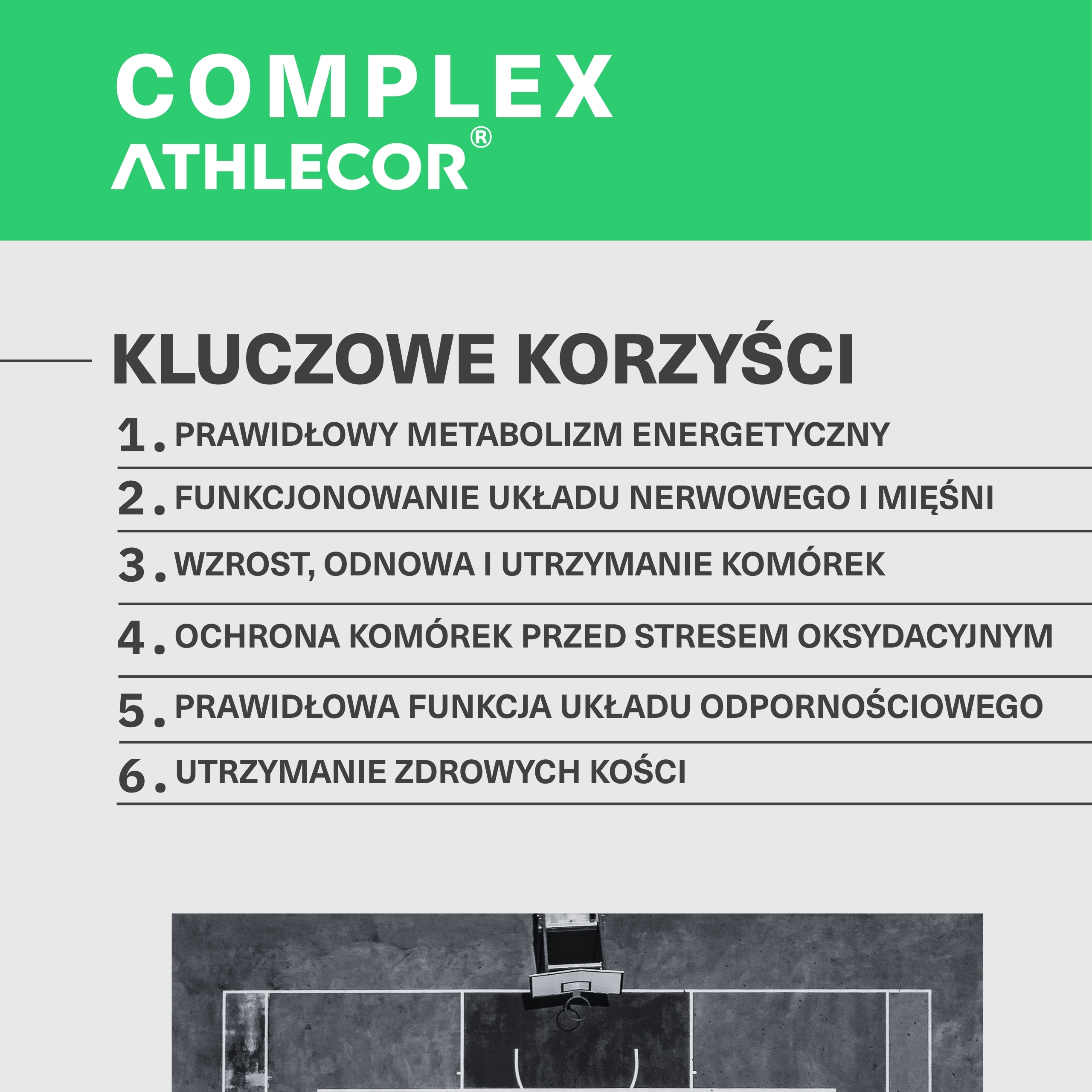
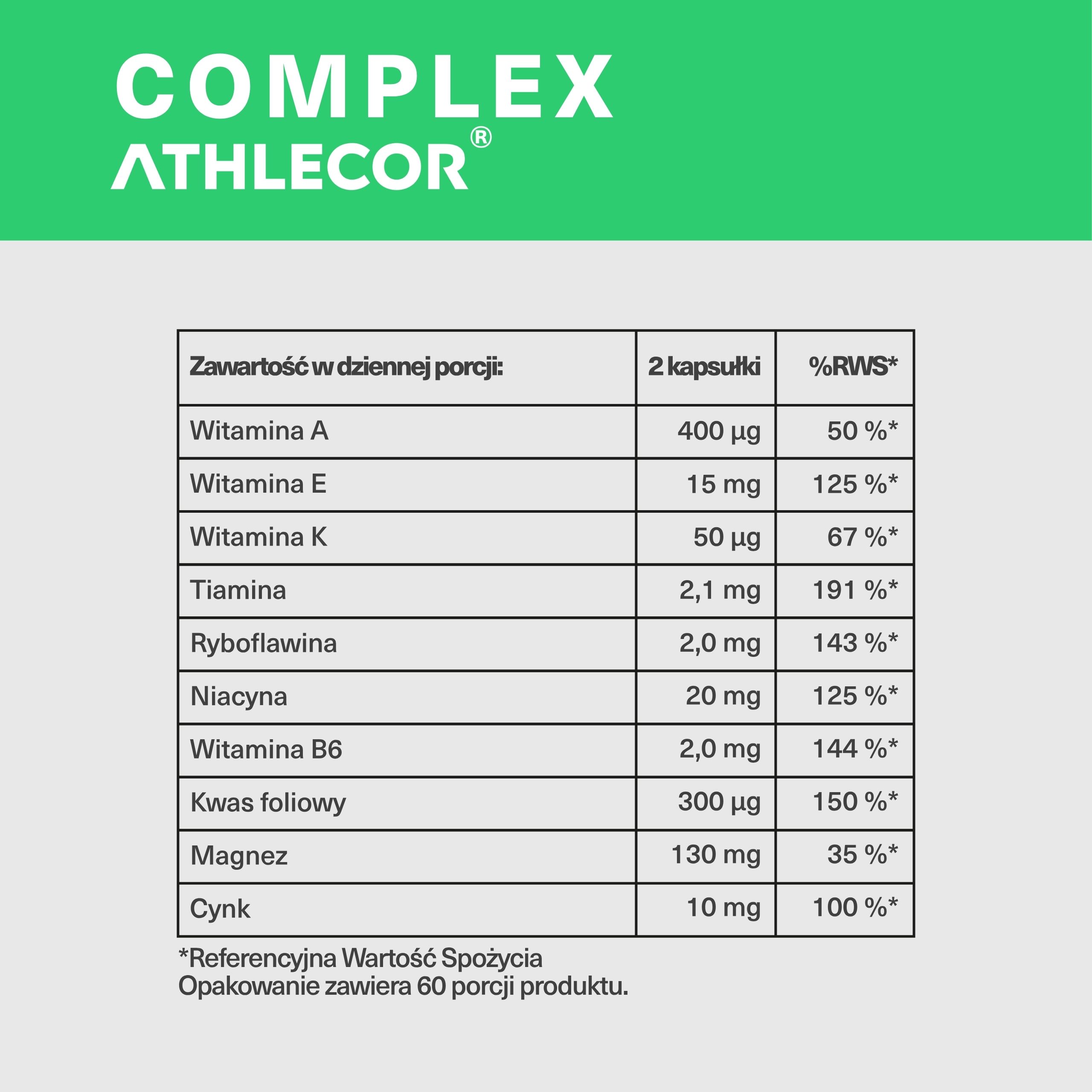

1Sportowcy są bardziej narażeni na niedobory mikroskładników, a o doborze i jakości suplementu decydują dane, nie przypadek.
Maughan 2018, International Journal of Sport Nutrition and Exercise Metabolism. IOC Consensus Statement: Dietary Supplements and the High-Performance Athlete.
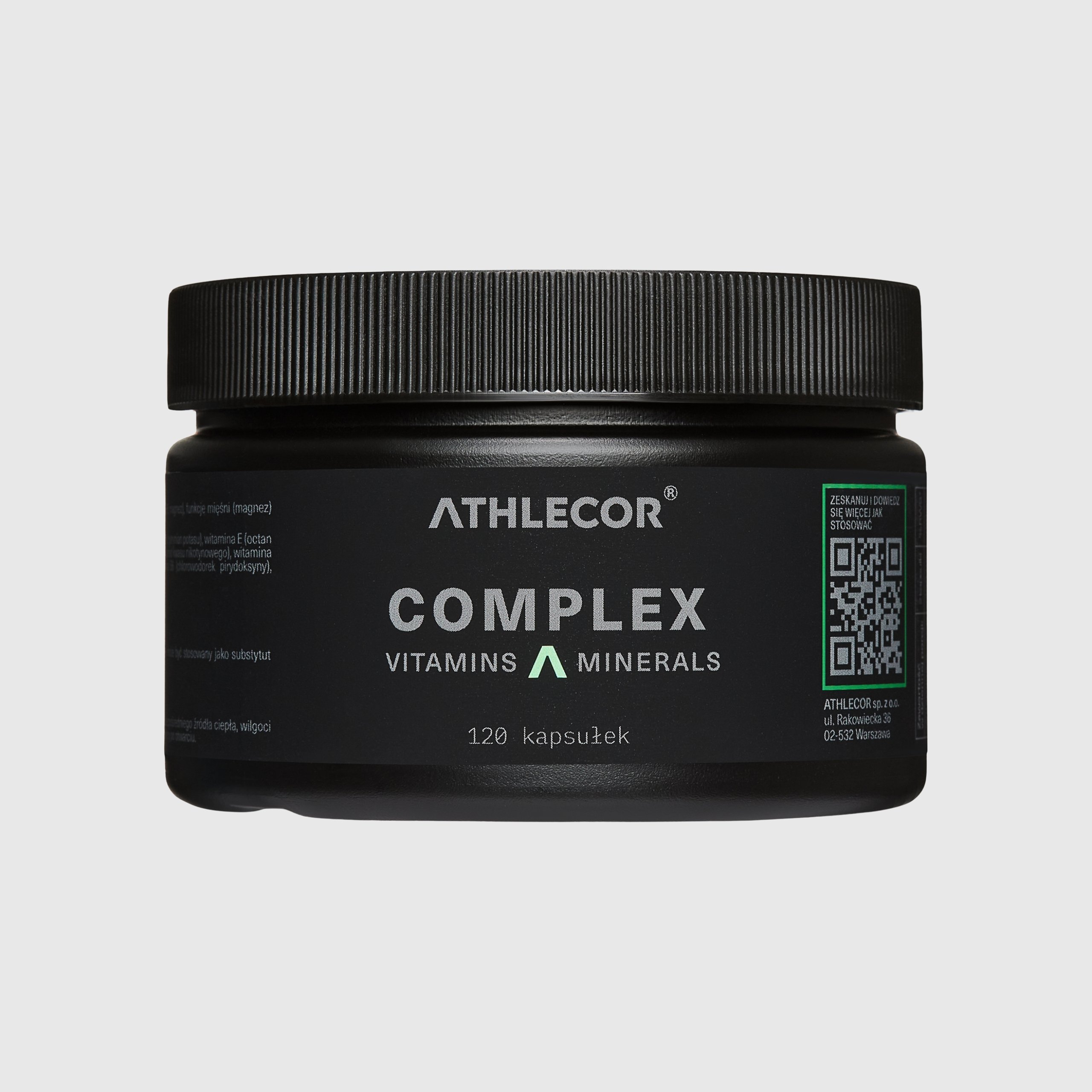
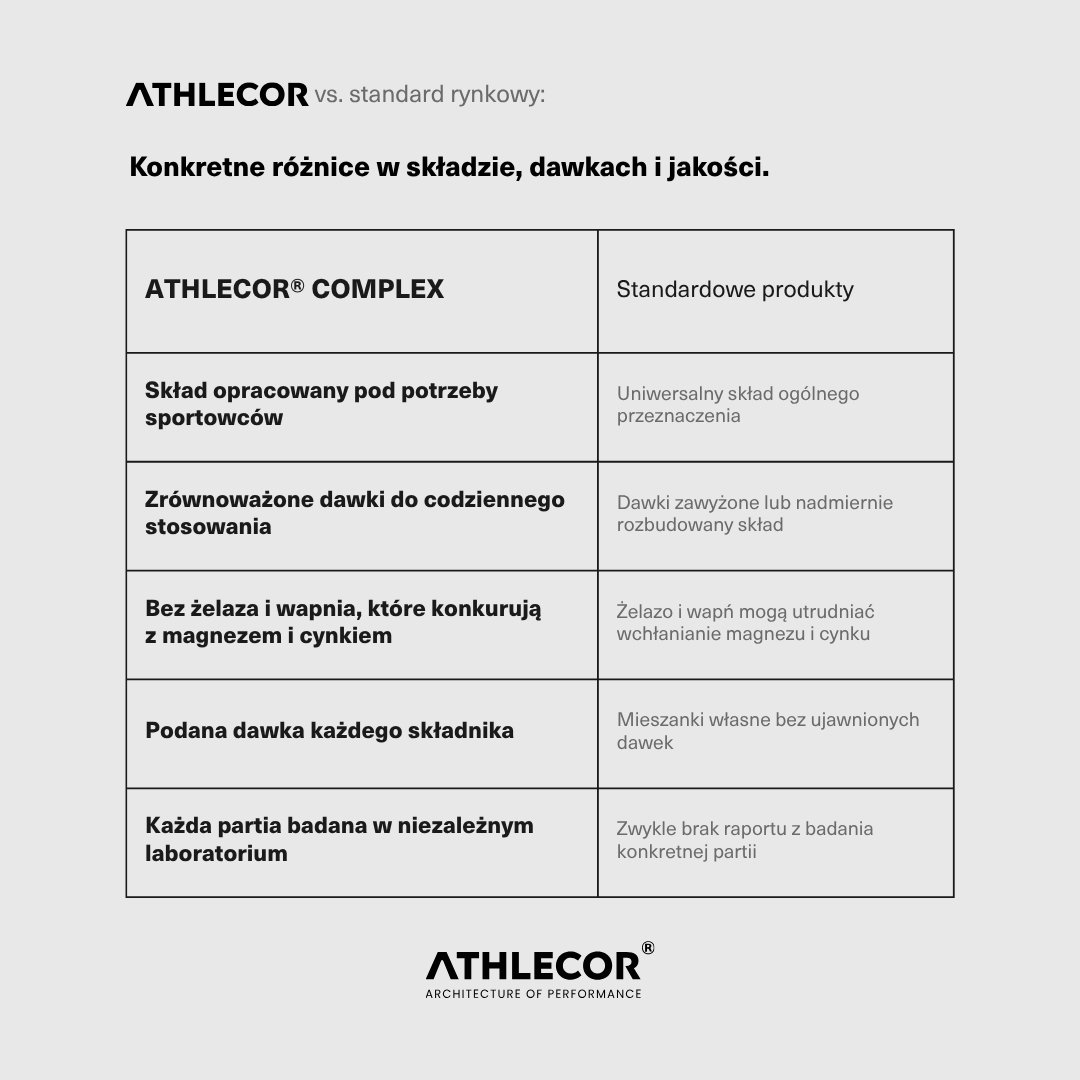
Stanowisko ekspertów MKOl porządkuje, kiedy suplementacja witamin i minerałów ma sens: przede wszystkim tam, gdzie zapobiega niedoborowi lub go koryguje. Autorzy mocno akcentują też ryzyko zanieczyszczeń i substancji zabronionych w suplementach, więc jakość produktu i bezpieczeństwo antydopingowe są równie ważne jak sam skład. Dlatego każdą partię Complexu badamy w niezależnym laboratorium.
Key conclusions
- Micronutrients play a significant role in processes important for physical exertion, from energy production to the synthesis of new cells and proteins. The authors note that an overt deficiency can impair training capacity, increase the risk of illness or injury, and reduce performance potential.
- Athletes can be more exposed to deficiencies of certain nutrients than the general population, among other reasons because of higher nutrient turnover, greater losses and the difficulty of assessing subclinical deficiencies.
- Among the nutrients that most often may require supplementation in athletes, the authors list iron, calcium and vitamin D. Iodine, folate and vitamin B12 may require supplementation in specific population groups, but these are not indications specific to athletes alone.
- A significant element of the position statement is also the risk associated with product quality and anti-doping safety. The authors point out that supplements may contain banned substances as undeclared ingredients or contaminants, which can lead to anti-doping rule violations even with unintentional use.
Source: Maughan, Ronald J et al. “IOC Consensus Statement: Dietary Supplements and the High-Performance Athlete.” International journal of sport nutrition and exercise metabolism vol. 28,2 (2018): 104-125. doi:10.1123/ijsnem.2018-0020