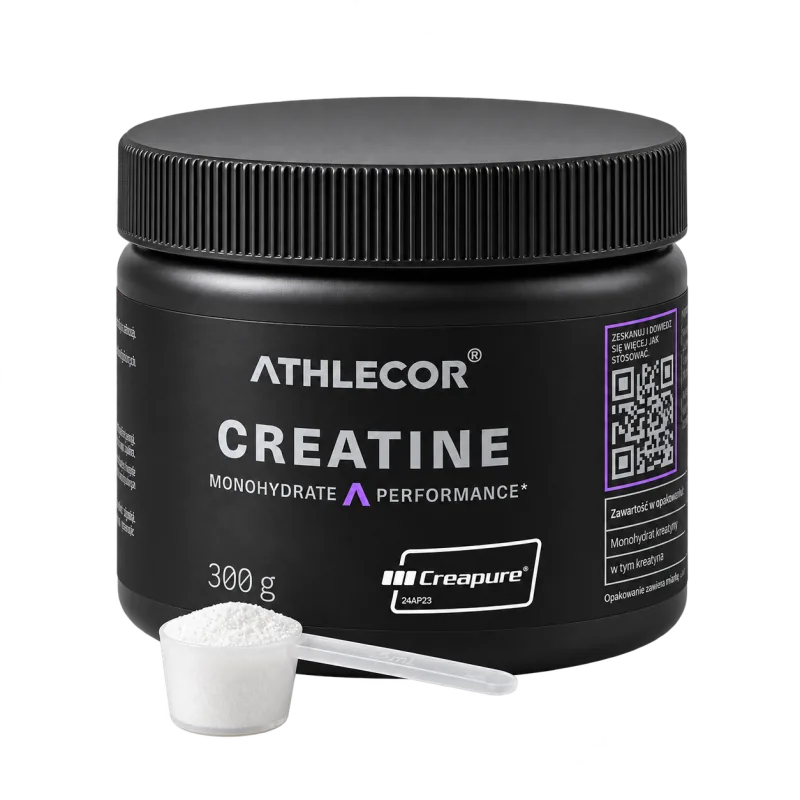
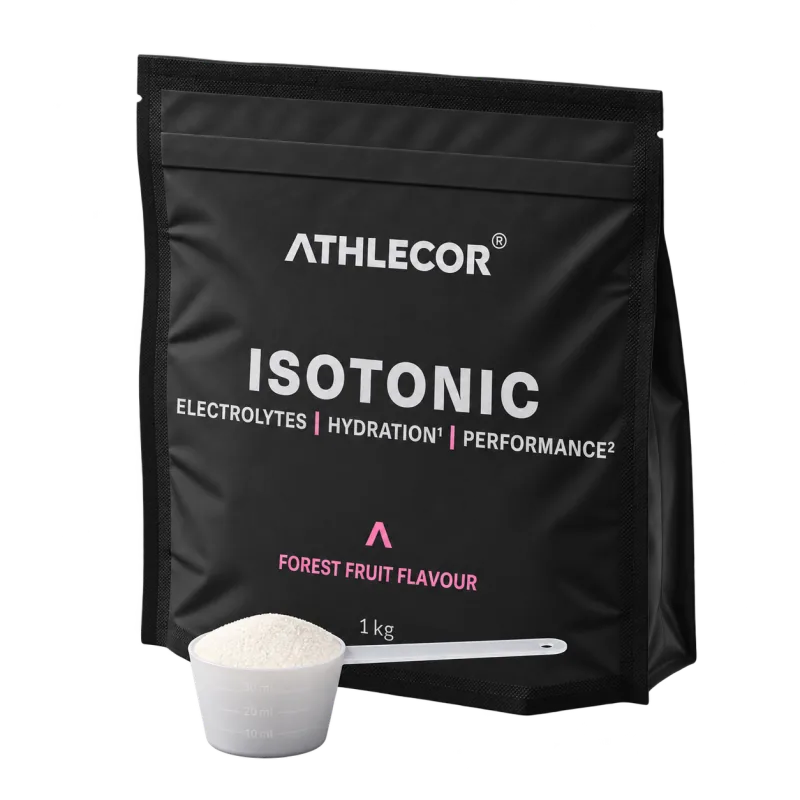
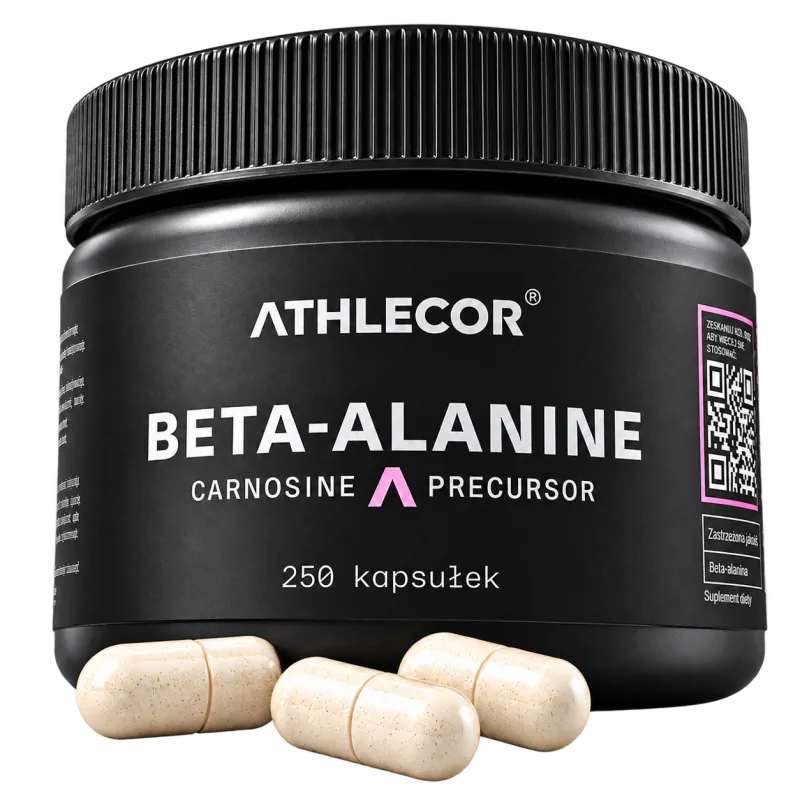
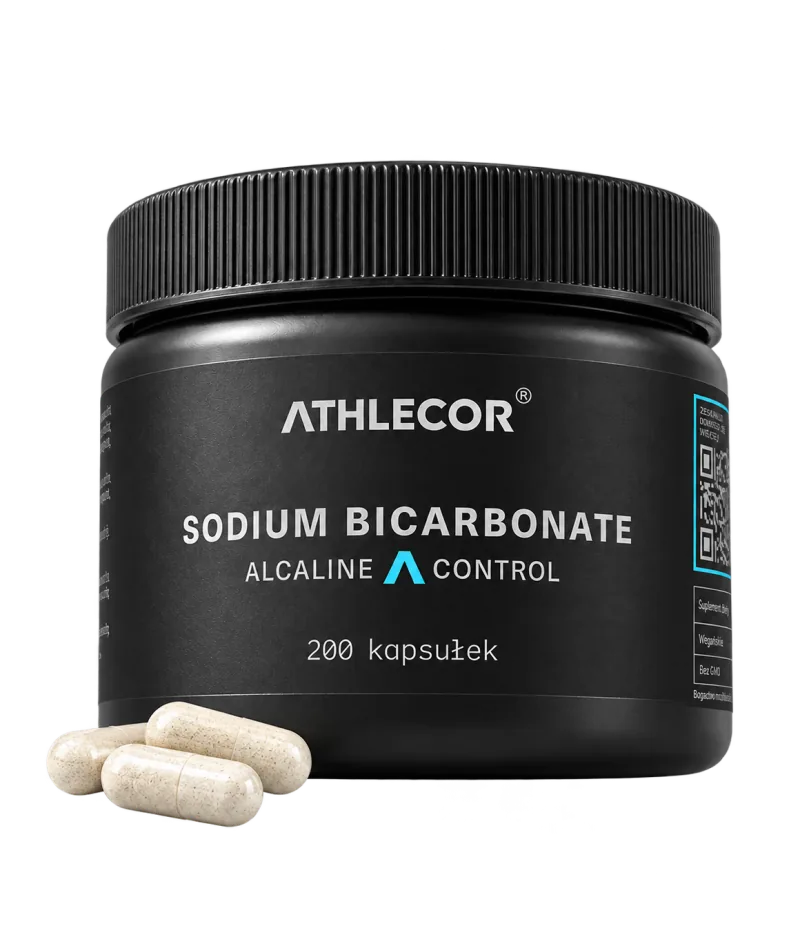
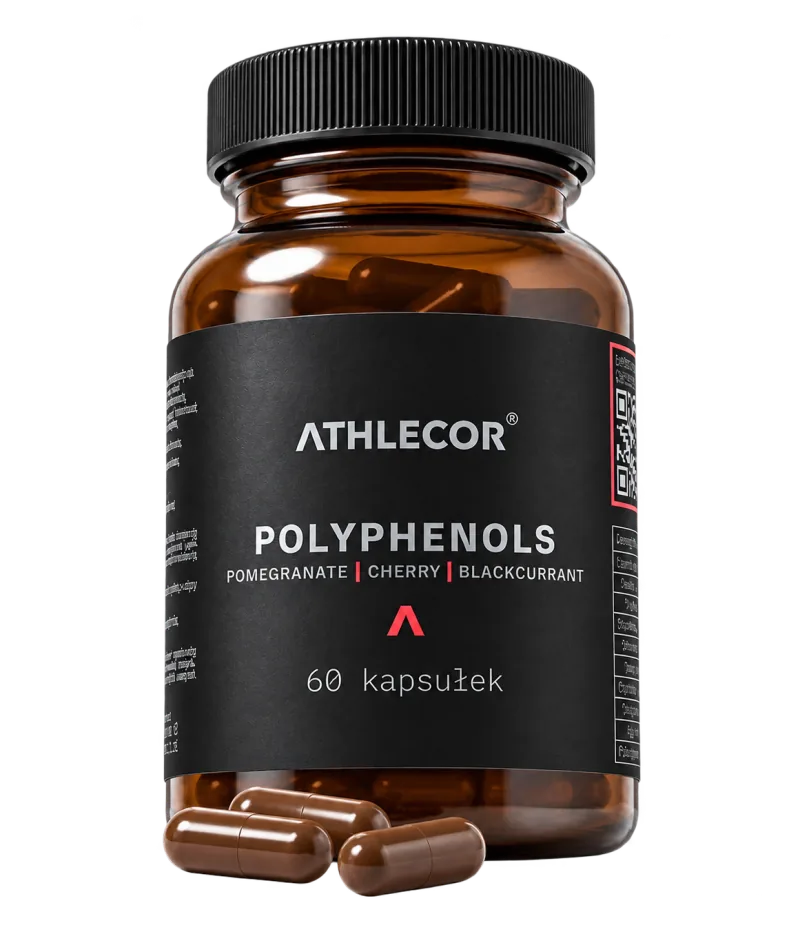
Pick your product. Check the serving, the timing and how to take it. Your own day-by-day plan, based on body mass and the way you train, comes with the bundle matching.
The sports schedule is 3.2 or 6.4 g a day. Details below.
WhenDaily
The effect comes from taking it regularly over weeks.
HowIn smaller portions
Spread the intake across the day, ideally with meals.
In practice
This is not a supplement for the moment before training. Here regularity is what matters.
The sports schedules still need to be agreed against the current label and the rules for communicating them. A plan is not a reason to exceed the serving stated on the pack.
Below you convert the 0.2 to 0.3 g/kg range into whole capsules.
When120 to 150 min before
Before the effort. Test the timing and your tolerance in training.
HowSplit the serving
Take it gradually over 30 to 60 min, with a carbohydrate meal and fluid.
Sports protocol calculator
How many capsules is that?
1 capsule = 1.2 g of sodium bicarbonate. We convert the range of 0.2 to 0.3 g per kilogram of body mass.
kg
40 kg150 kg
70 kg is an example. Enter your own mass or move the slider.
This converts into whole capsules, it does not choose a dose for you. The upper limit is not a recommendation. It does not account for tolerance, illness or medicines.
Cheat sheet: test your tolerance first
The schedule starts at 0.2 g/kg. The higher levels are options to test individually, not compulsory next days.
Starting point0.2 g/kg
For 70 kg:14,0 g
11 whole caps.= 13.2 g
After testing tolerance0.25 g/kg
For 70 kg:17,5 g
14 whole caps.= 16.8 g
The upper level of this schedule0.3 g/kg
For 70 kg:21,0 g
17 whole caps.= 20.4 g
With whole capsules we round down so as not to exceed the chosen level. The actual amount can be slightly lower. This is the calculation rule used in this project and it still awaits expert approval.
First try in training.Start from the lower level.
Write down how your body reacts.Watch your stomach, how you feel and the timing.
Only then consider a change.Do not raise the serving automatically. If complaints appear, stop the trial.
Example body masses and capsule counts
Whole capsules, rounded down. You will find the grams for your own mass in the calculator above.
Body mass
0.2 g/kg
0.25 g/kg
0.3 g/kg
50 kg
8 caps.
10 caps.
12 caps.
60 kg
10 caps.
12 caps.
15 caps.
70 kg
11 caps.
14 caps.
17 caps.
80 kg
13 caps.
16 caps.
20 caps.
90 kg
15 caps.
18 caps.
22 caps.
100 kg
16 caps.
20 caps.
25 caps.
In practice
Plan the first trial for a training session. Do not test a new schedule on race day.
An educational calculator for a sports protocol, not an individual recommendation. It does not replace the label or a consultation. Bicarbonate can cause gastrointestinal complaints, so its use requires testing tolerance.
Worth knowing
How does the stepping work?
Start at 0.2 g/kg and test your tolerance in training. The 0.25 and 0.3 g/kg levels are there for comparison, not for raising day by day.
In the single-dose protocol the meal is about 1.5 g of carbohydrates and about 10 ml of fluid per kilogram of body mass. Test the amounts beforehand, together with tolerance.
400 to 500 mg per kilogram a day, in 4 to 5 portions with meals, for 3 to 5 days before the race. That is a separate schedule to discuss with a specialist. The calculator does not cover it.
One way in regular training, another around a race.
HowTake with water
Stick to one agreed plan.
In practice
You do not have to take this product all year. A schedule should have a defined goal and length.
The race-period serving still needs to be agreed against the current label. If stomach complaints appear, stop taking it and have them checked.
Worth knowing
How do I take it around a race?
4 capsules a day in two portions of 2: from 4 to 7 days before the race, on race day and for 2 to 4 days after. Compare the serving for that period with the label on your pack.
Why does the race-day serving fall about 2 hours before the effort?